18-07 HOLIDAY HOME
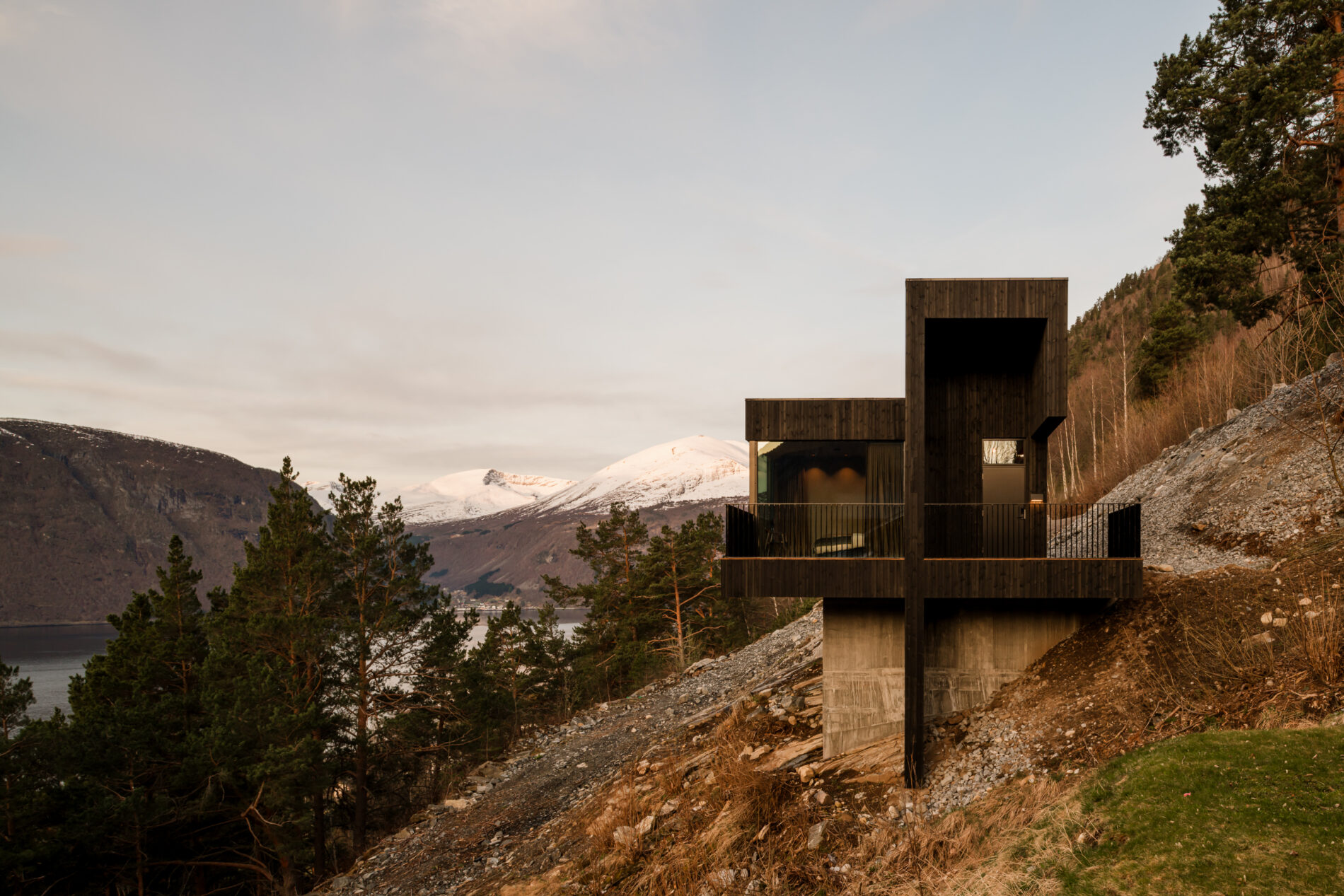
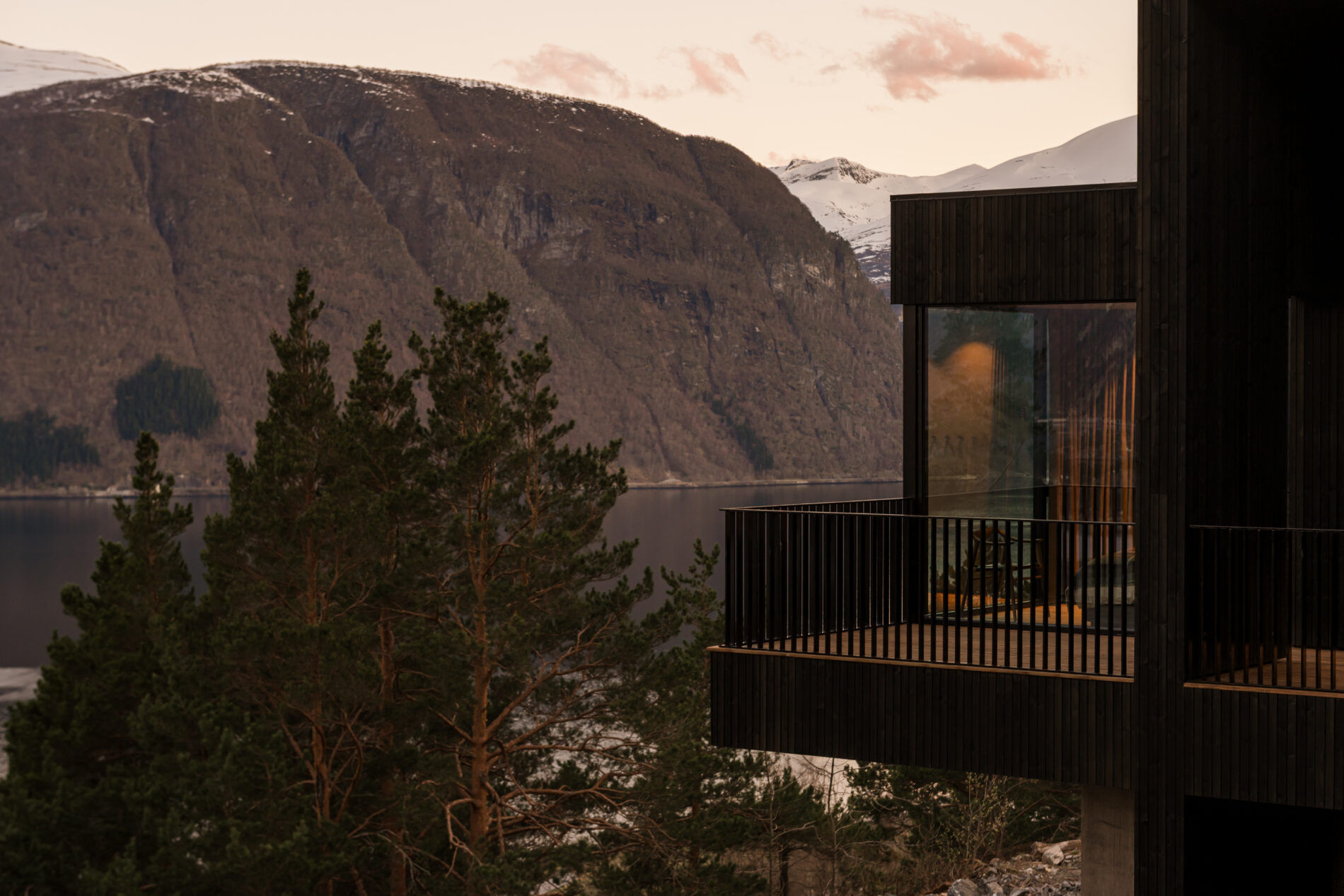
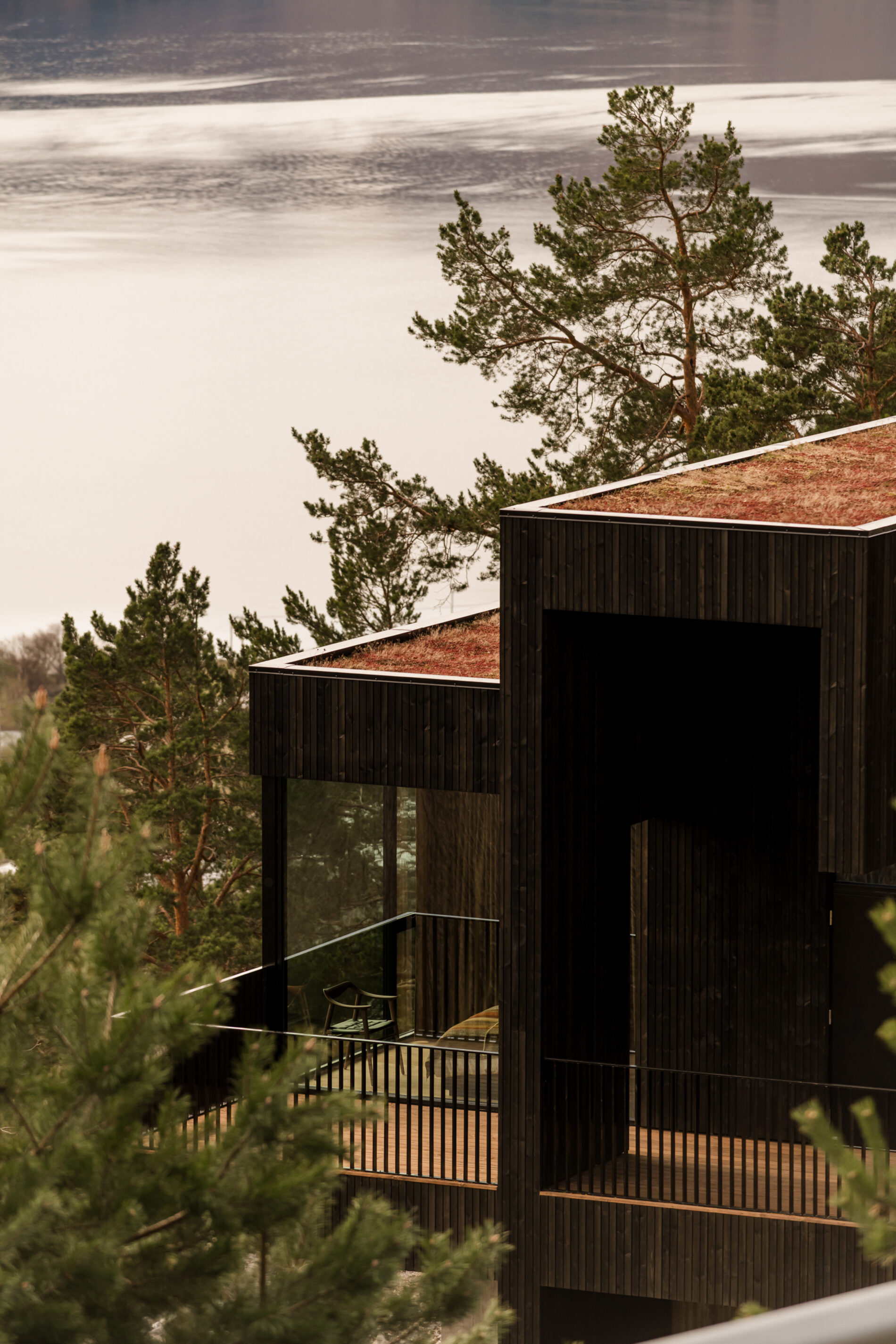
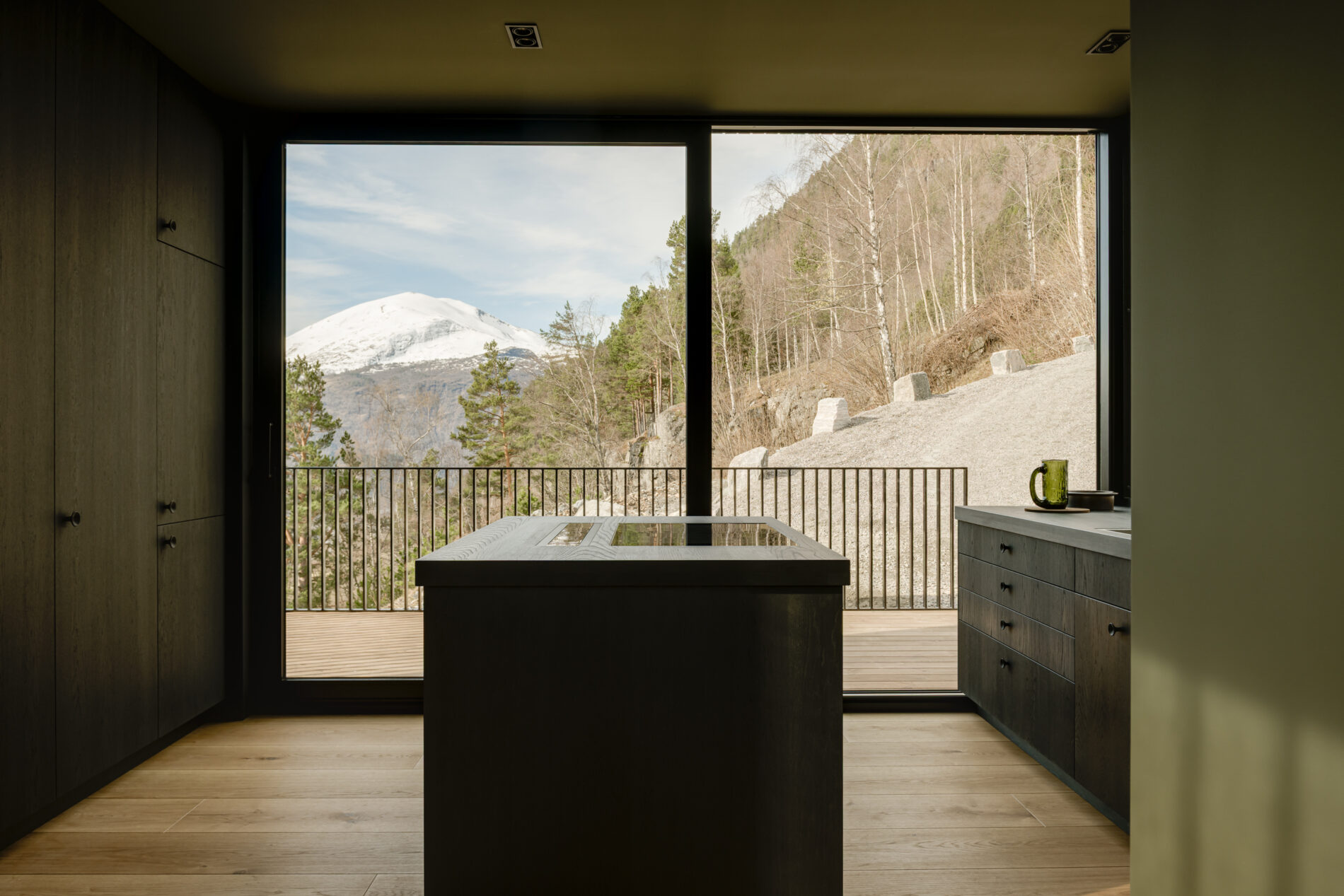
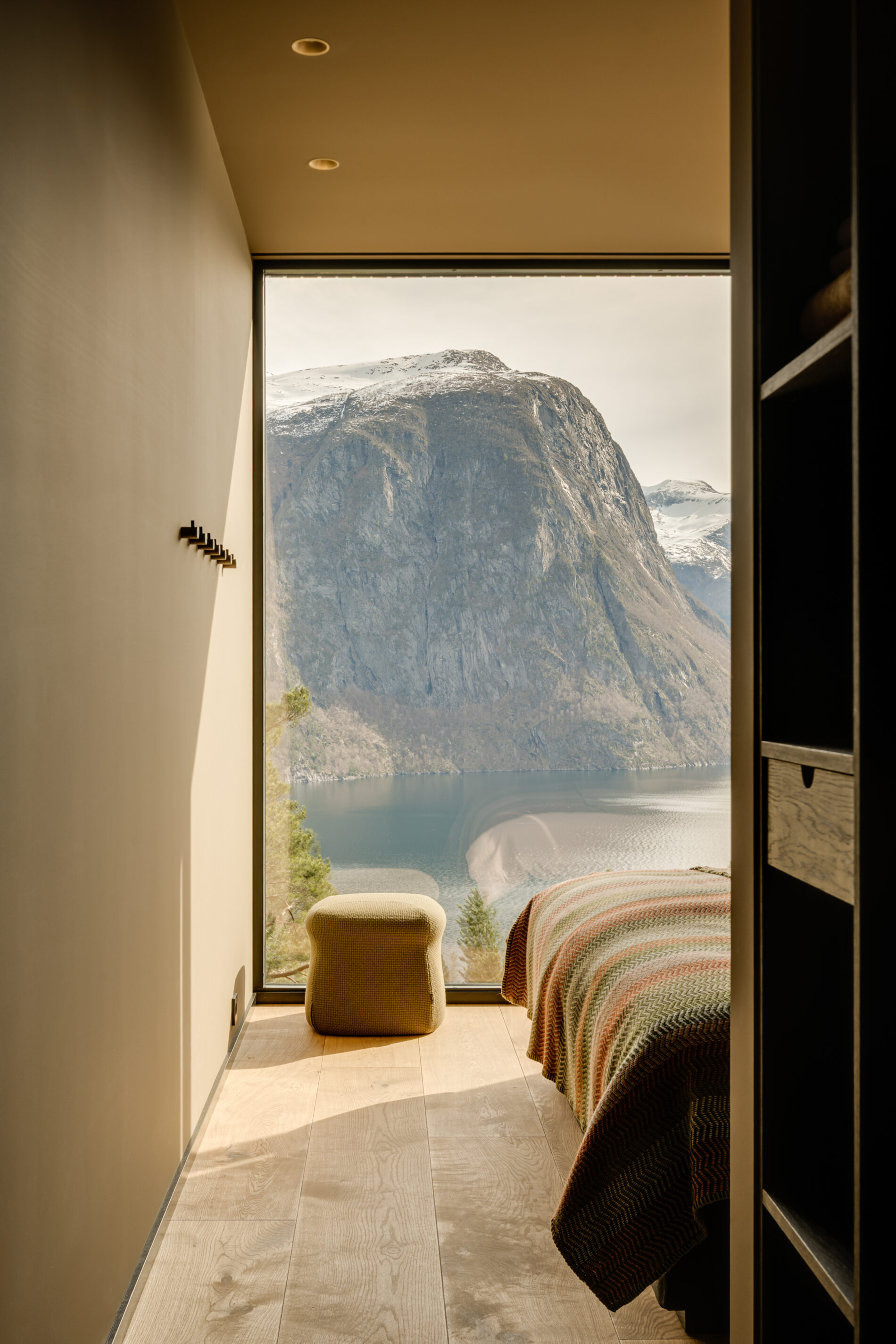
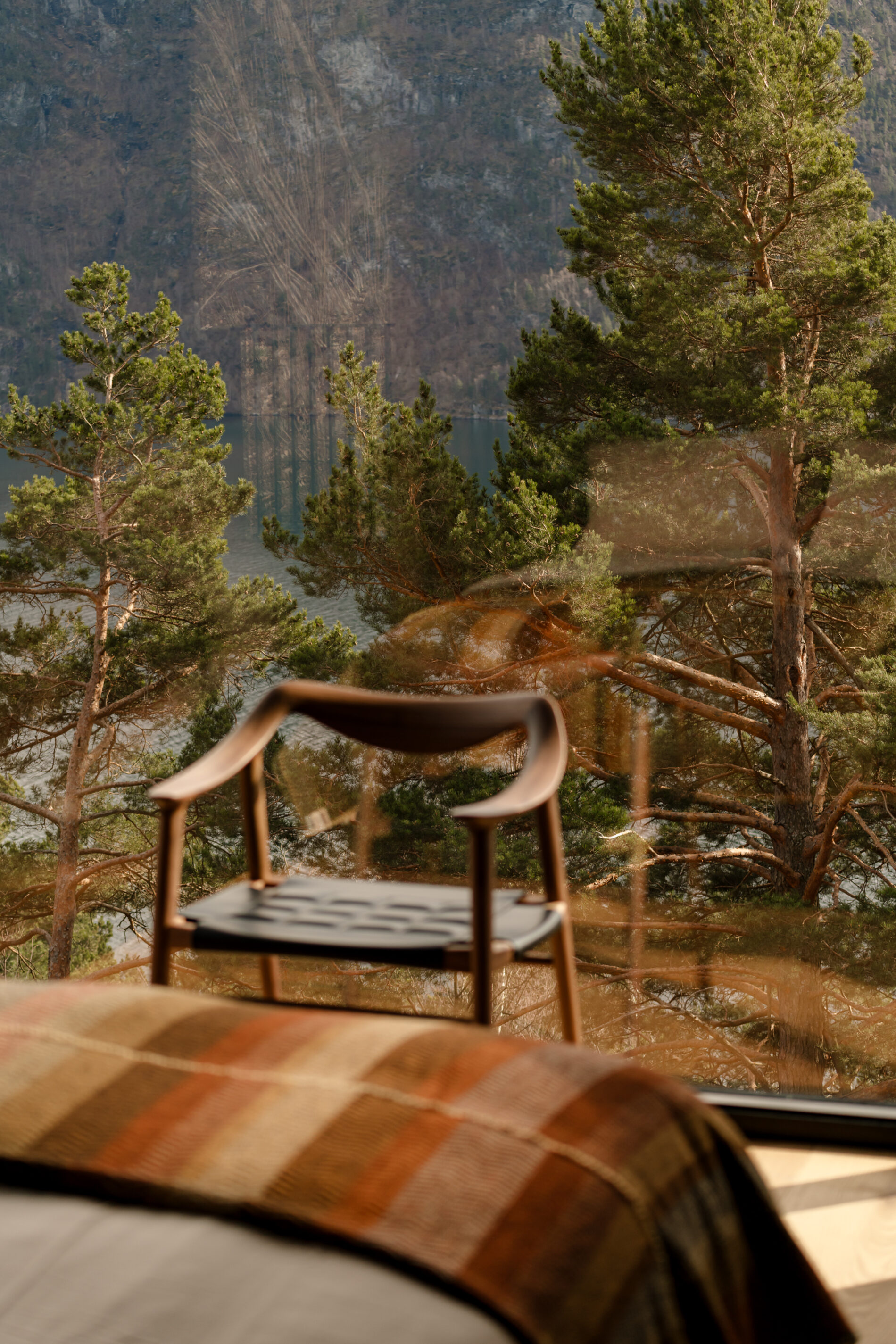
Perched high above a Norwegian fjord, the 18–07 Holiday Home by OFFICE INAINN redefines how architecture can inhabit the land without altering it. Nestled into a steep, rocky slope on Norway’s western coast, the house is designed not to dominate the landscape, but to move with it—respecting its topography, light, and texture.
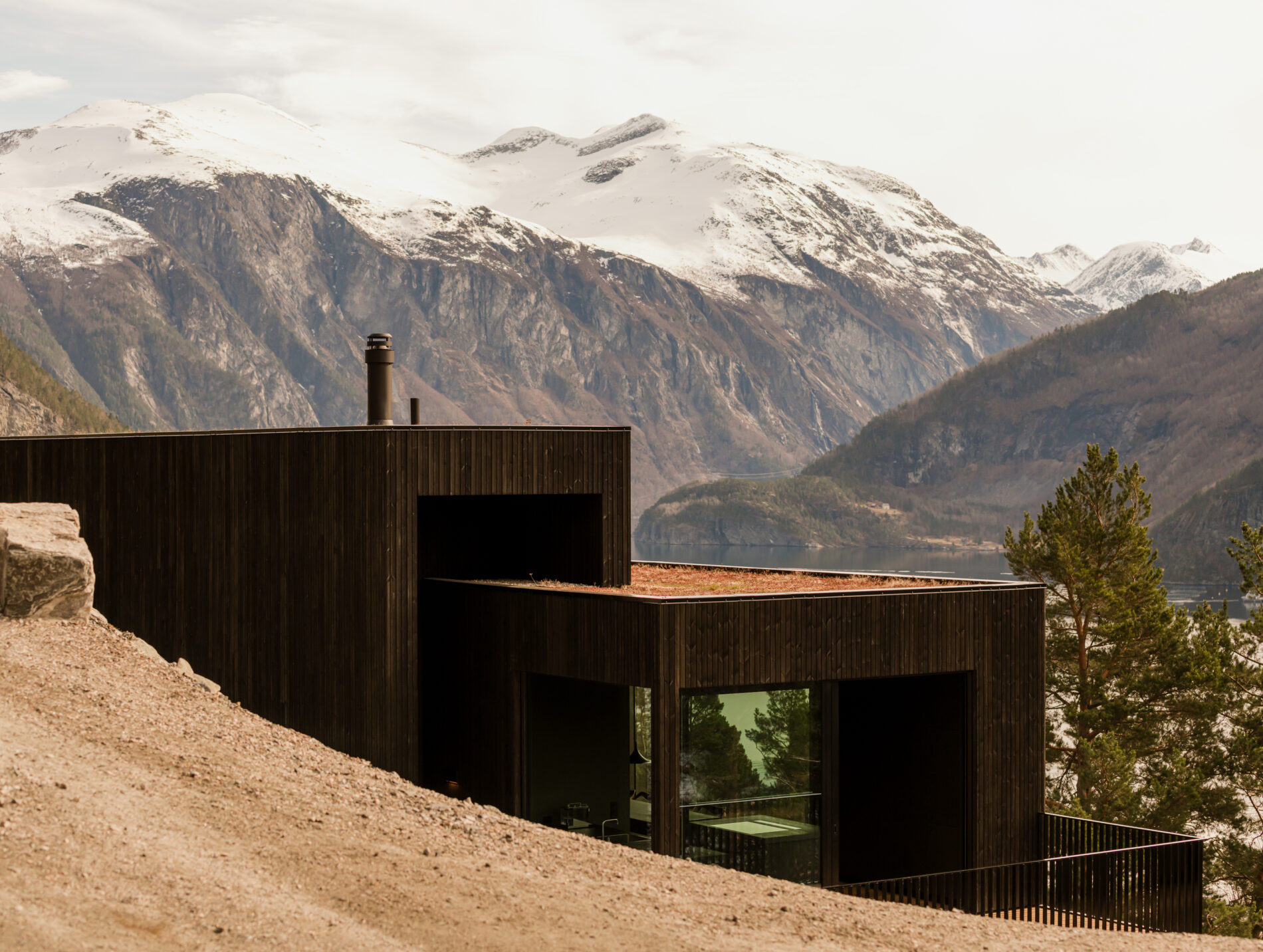
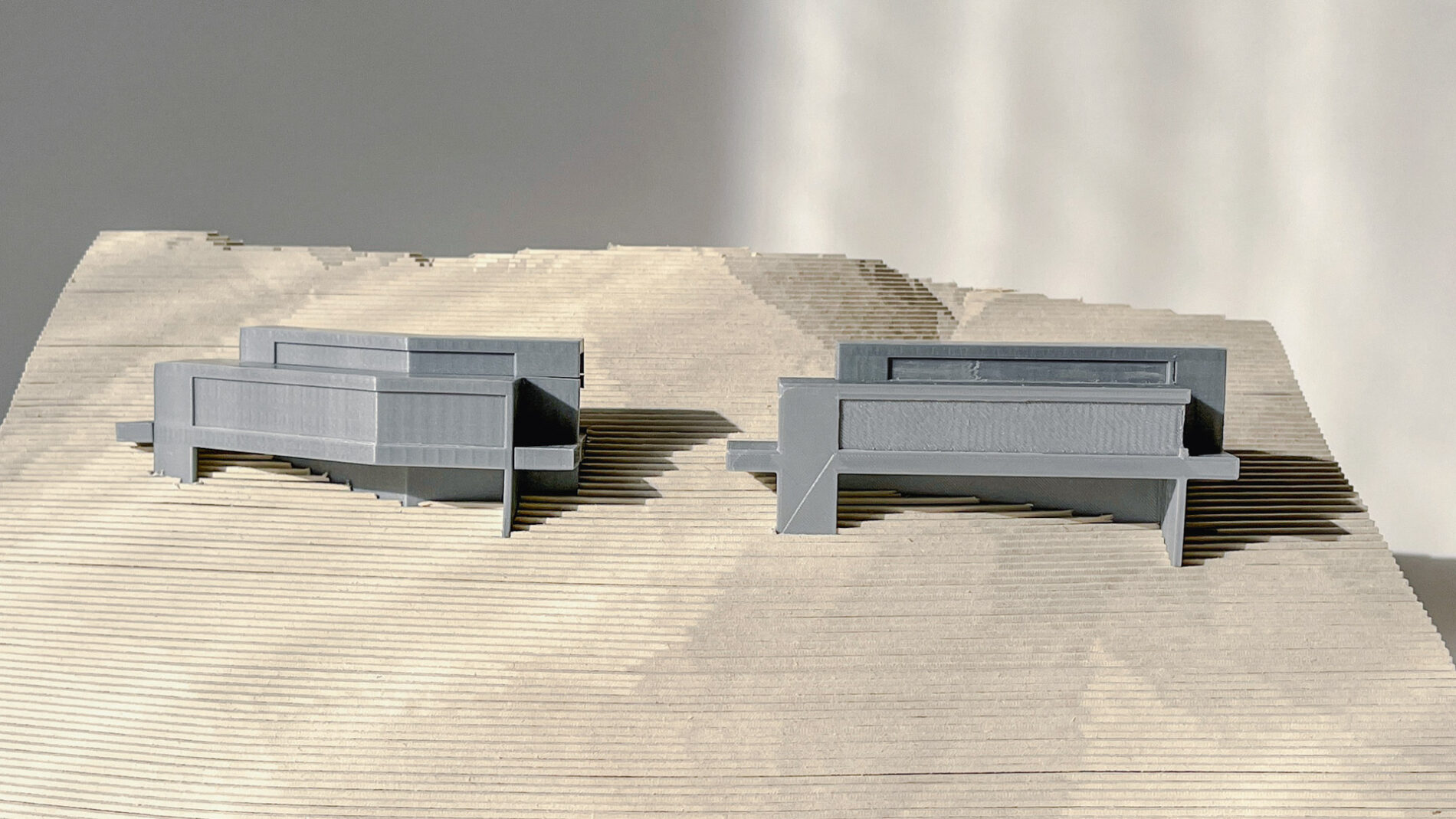
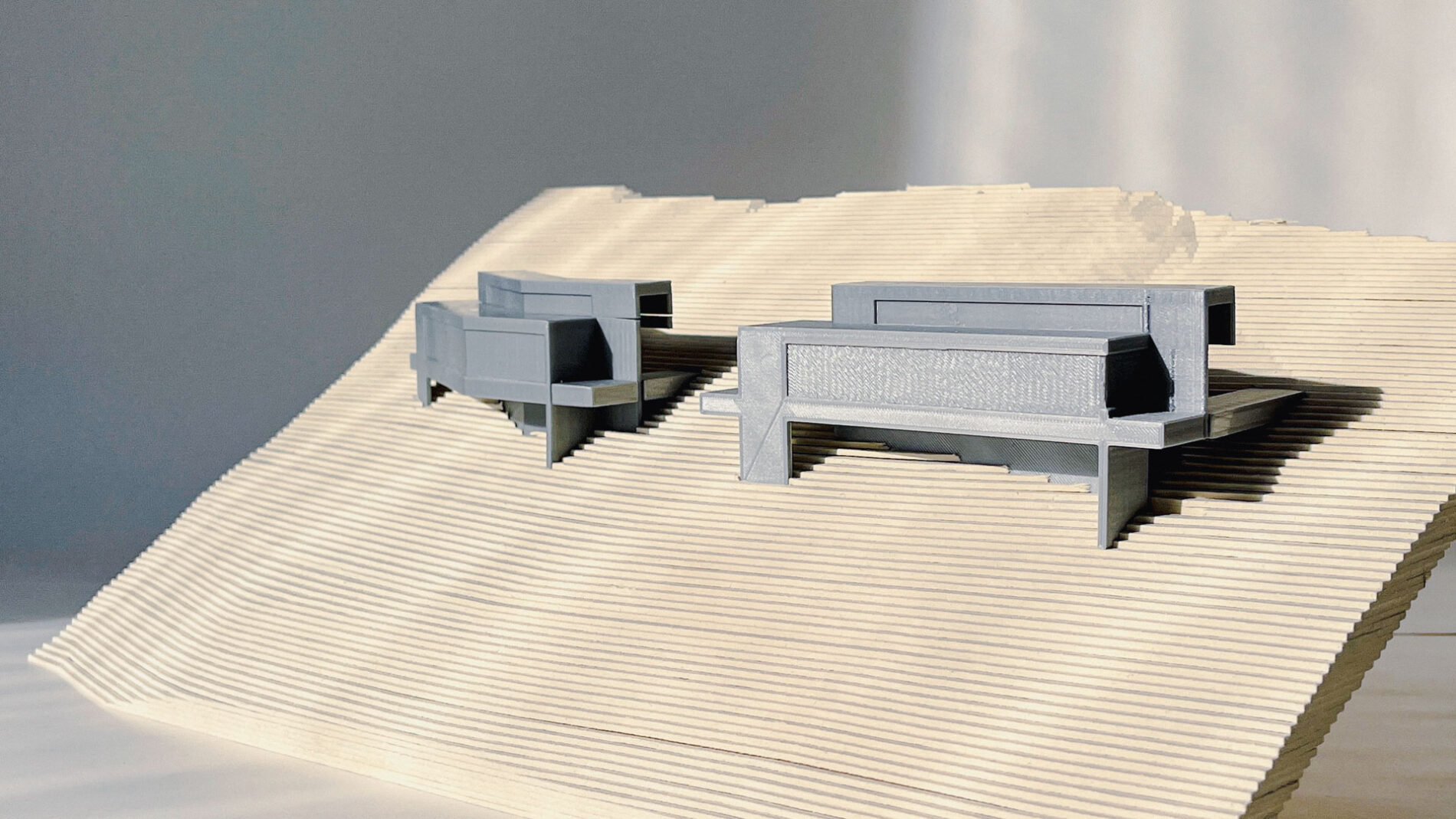
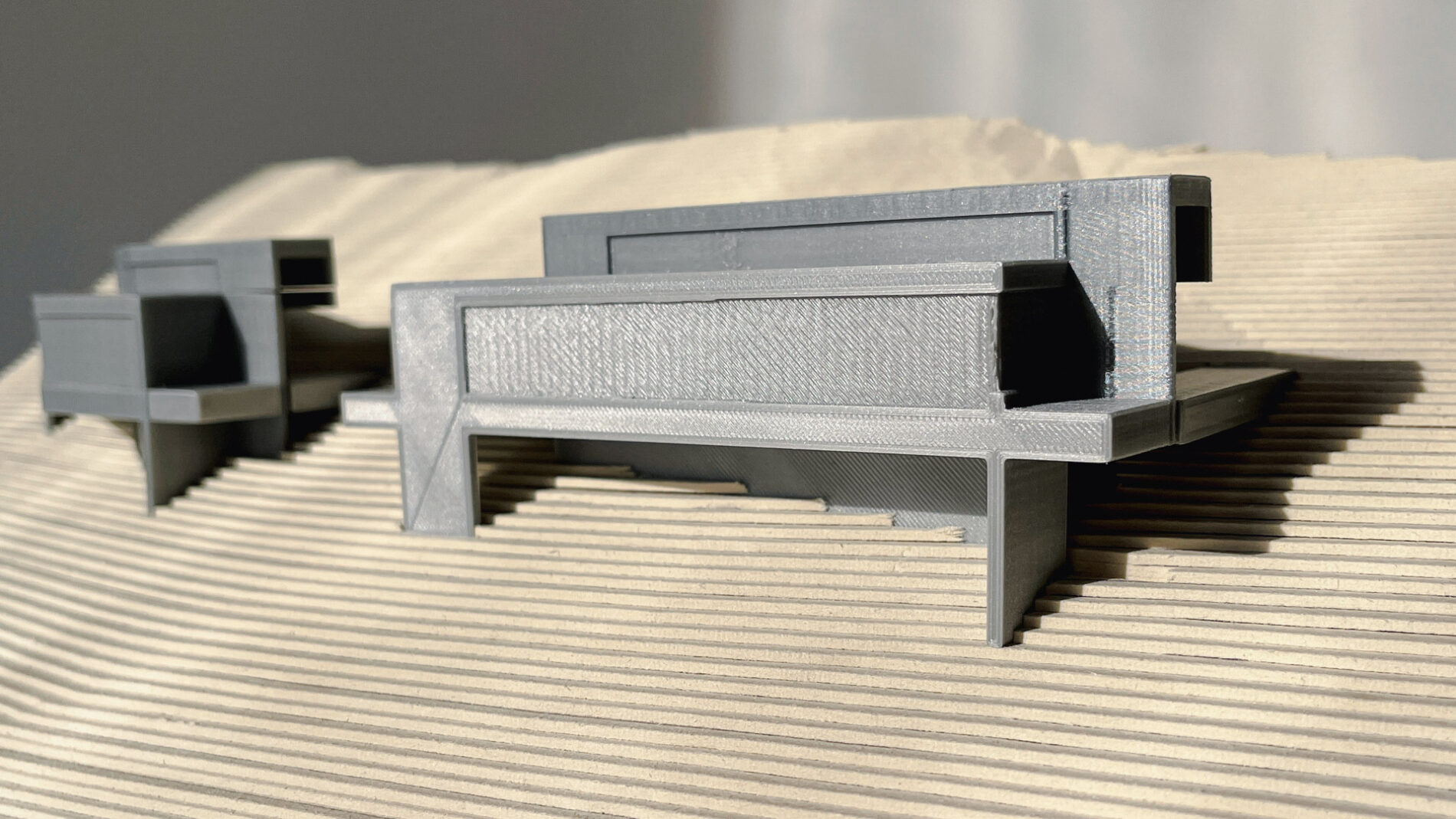
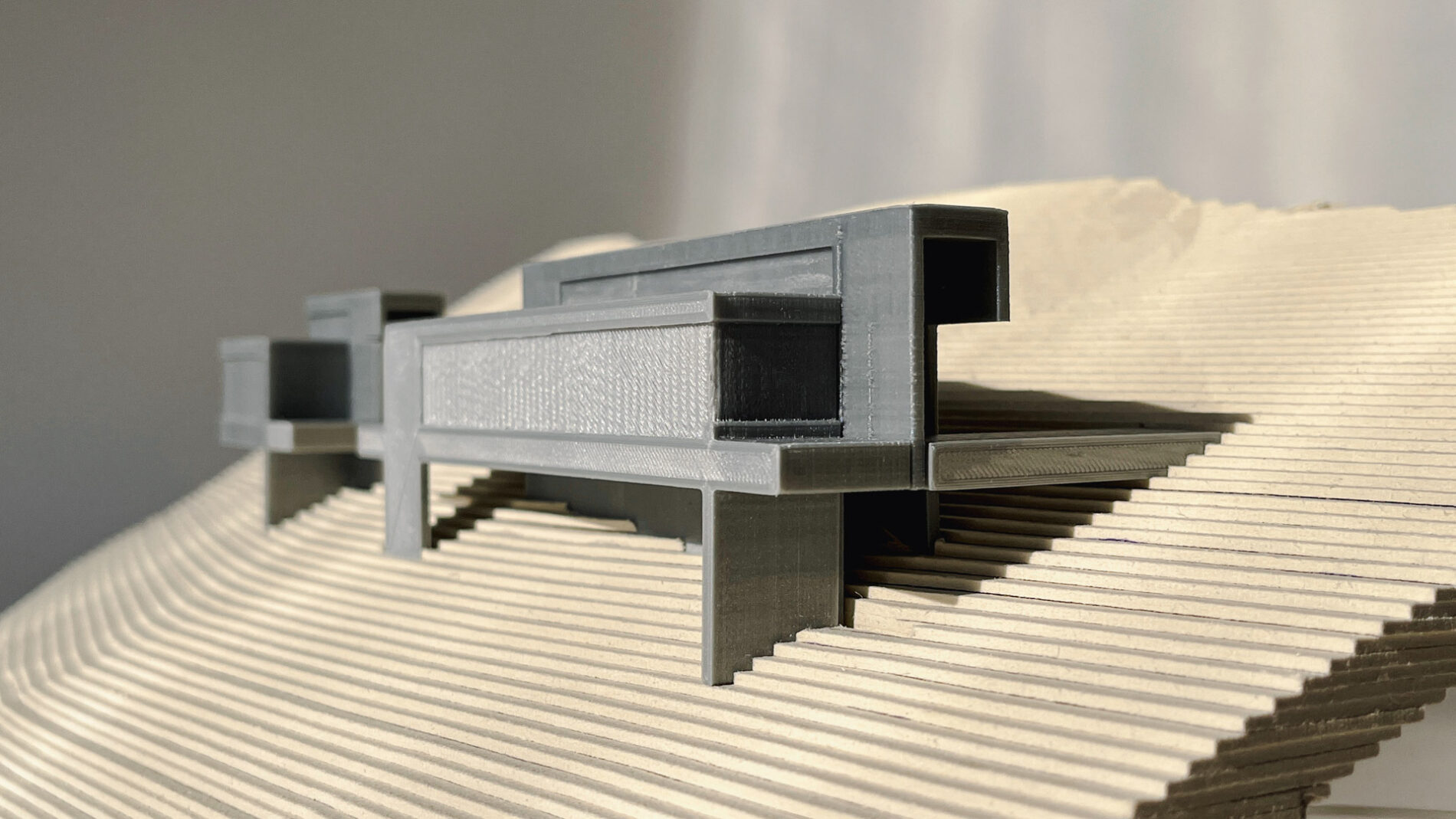
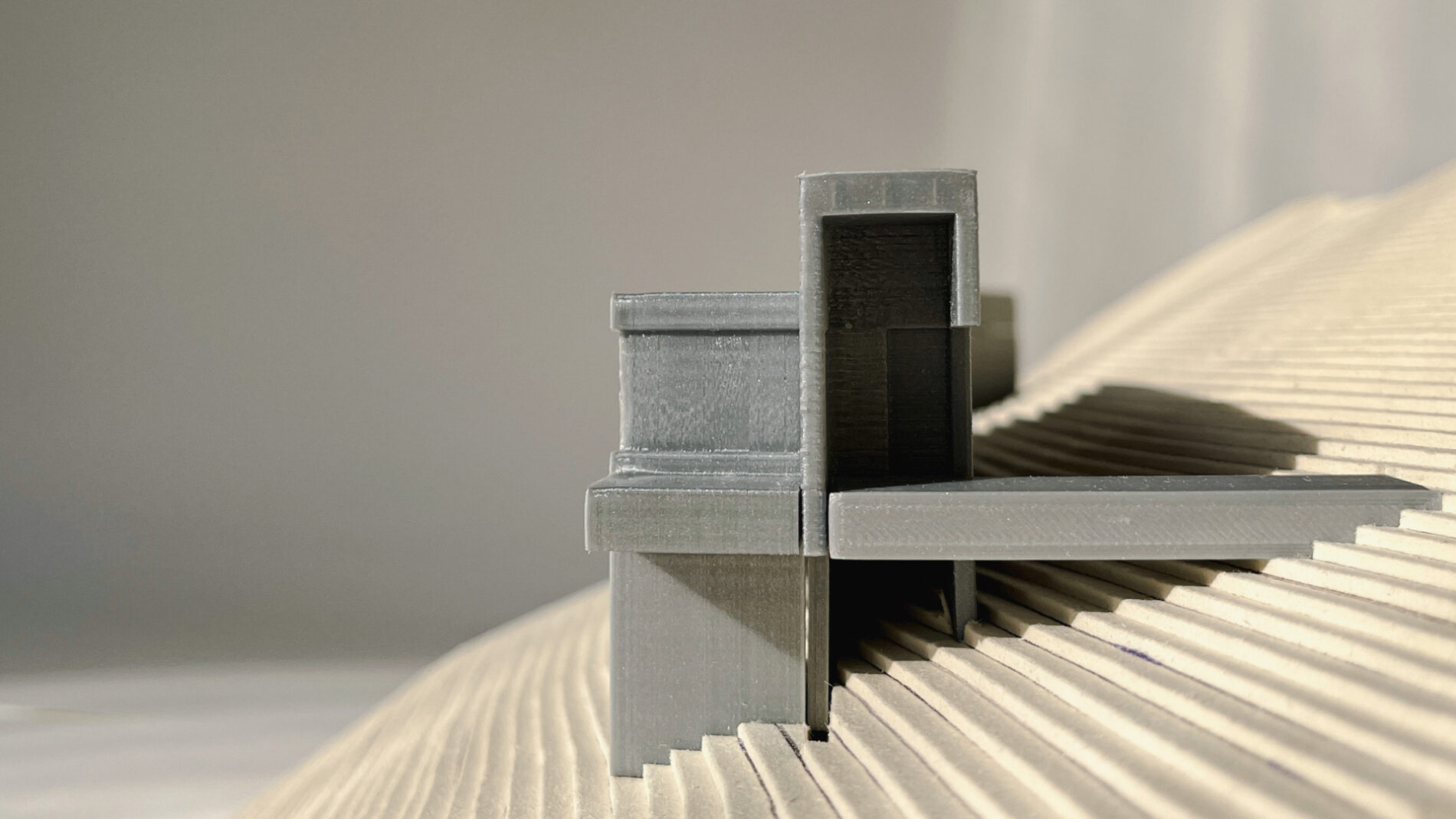
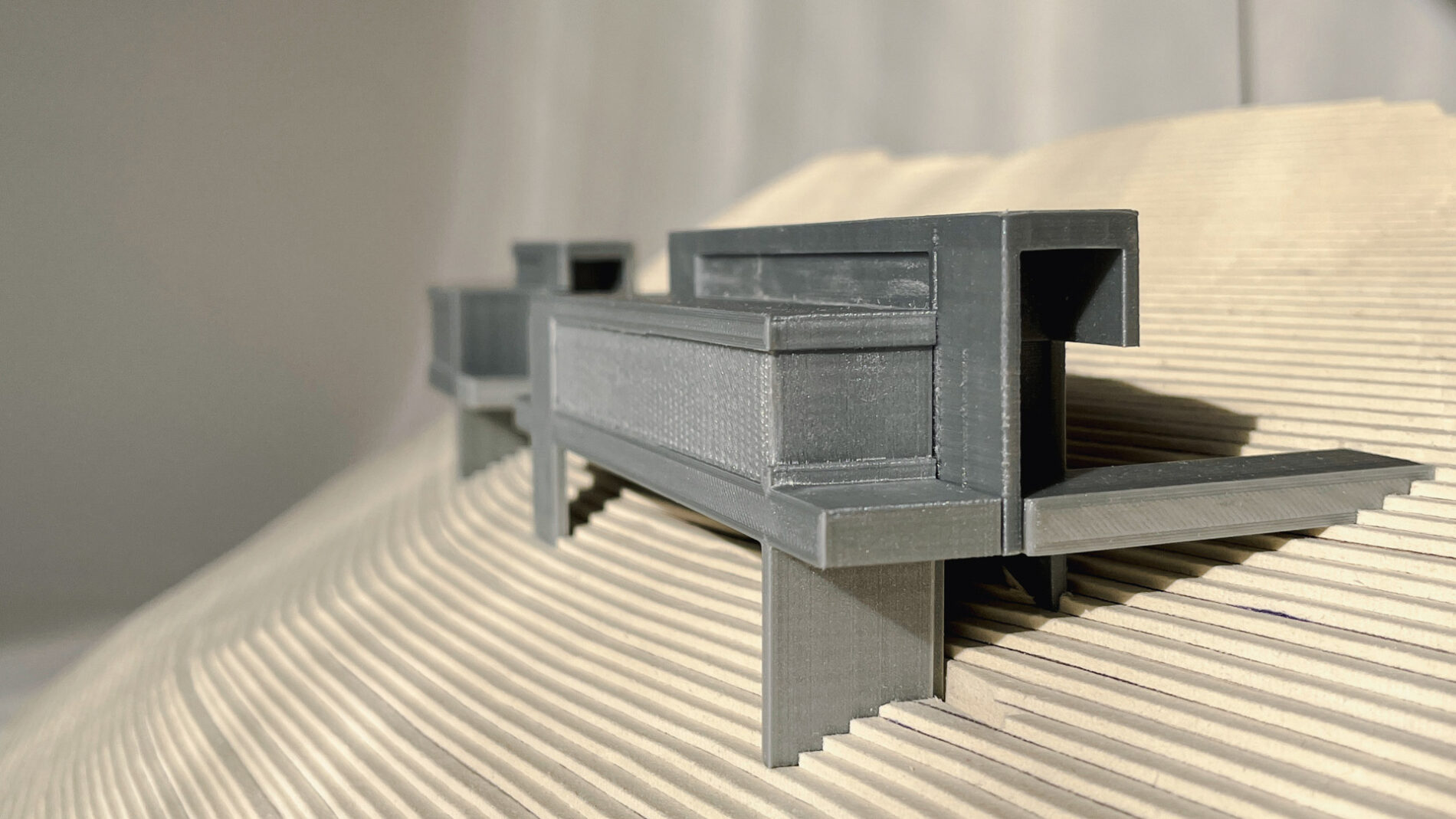
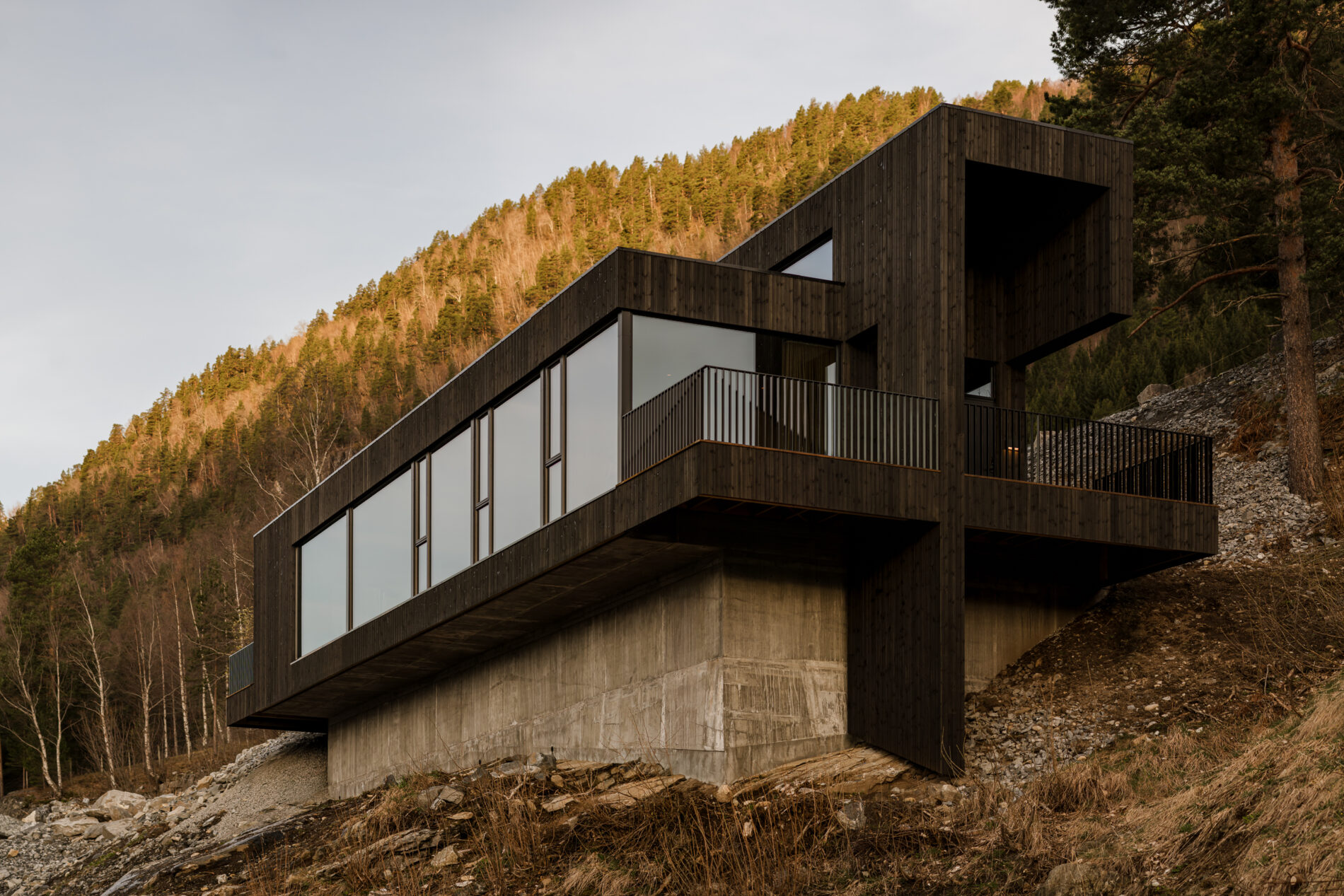
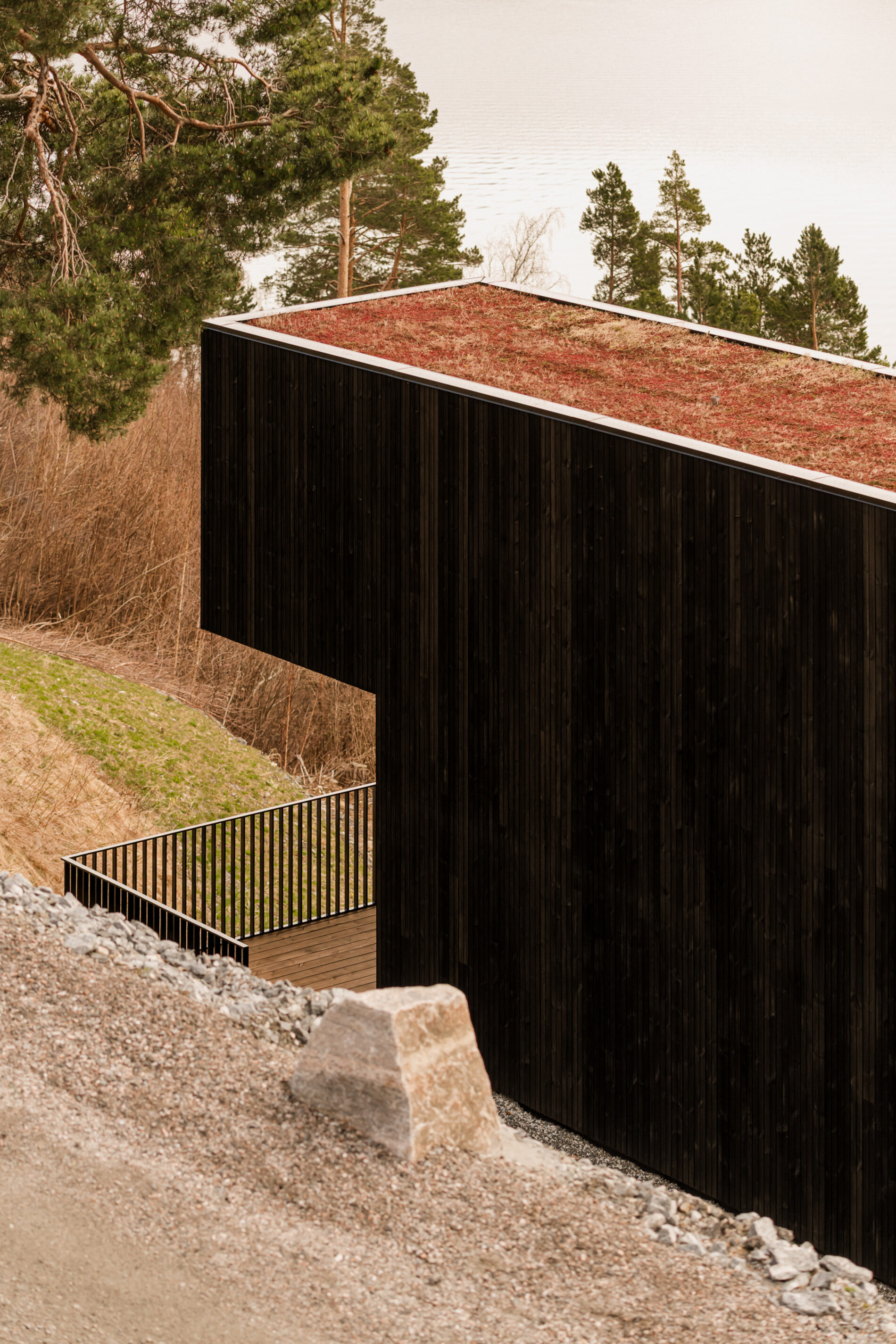
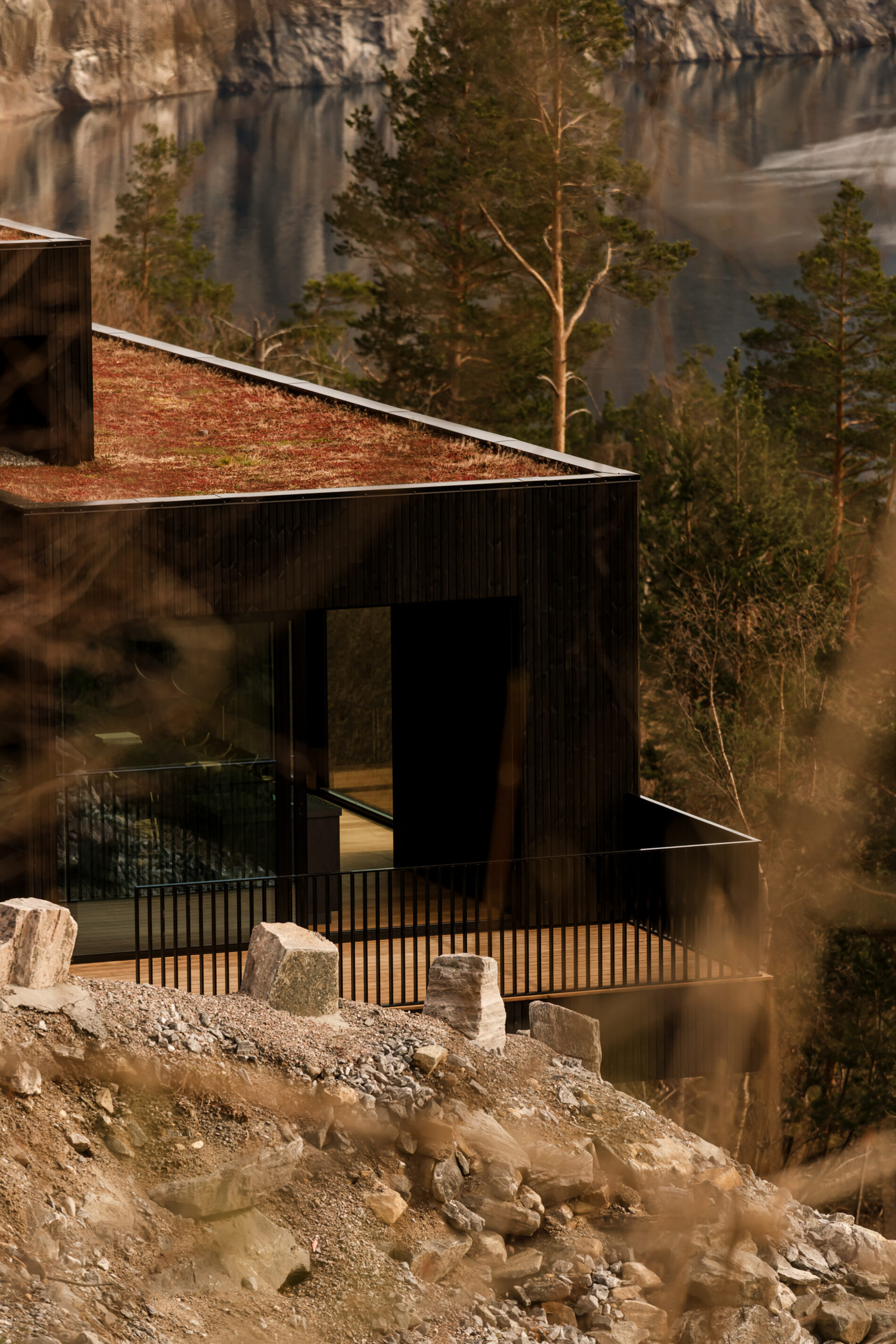
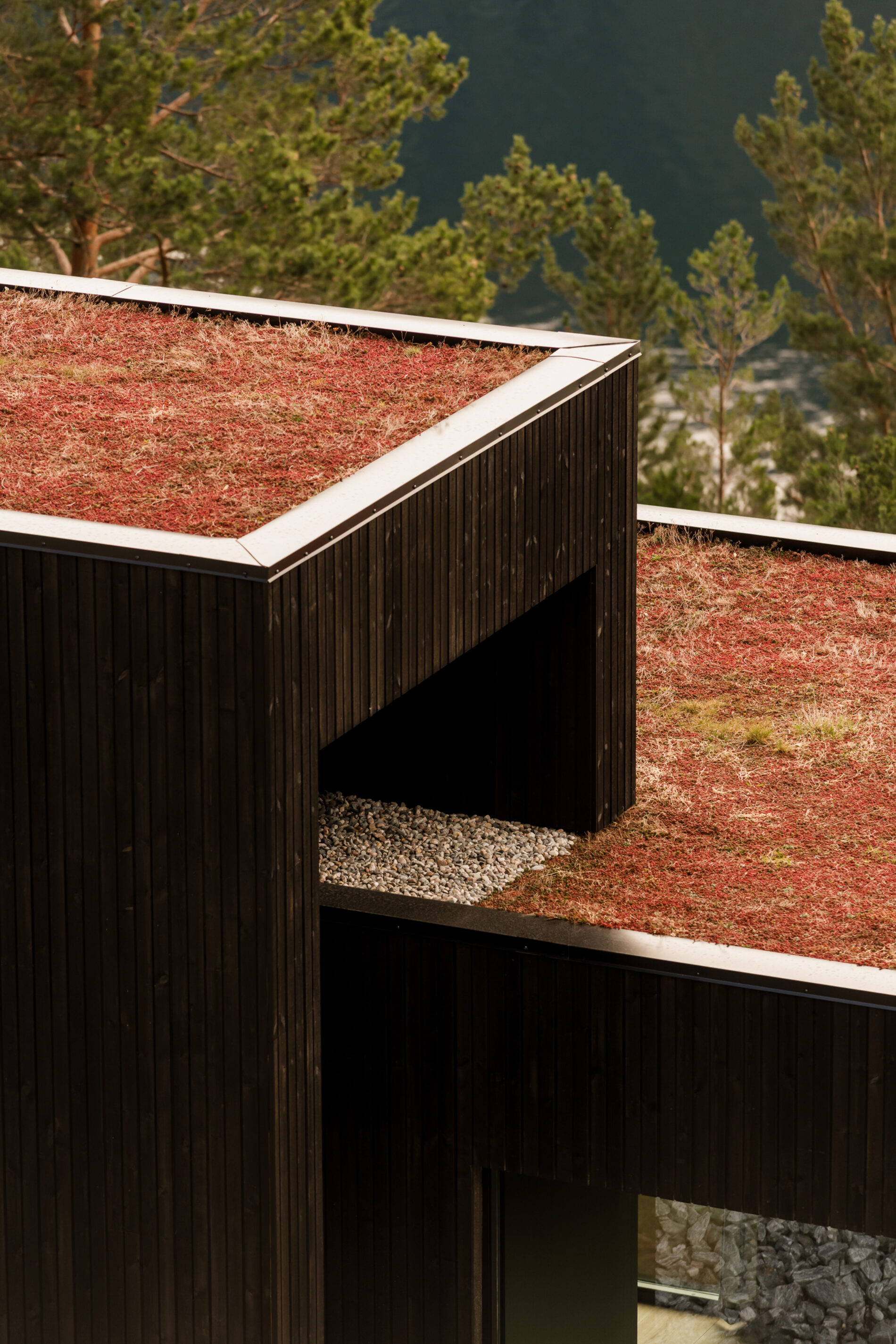
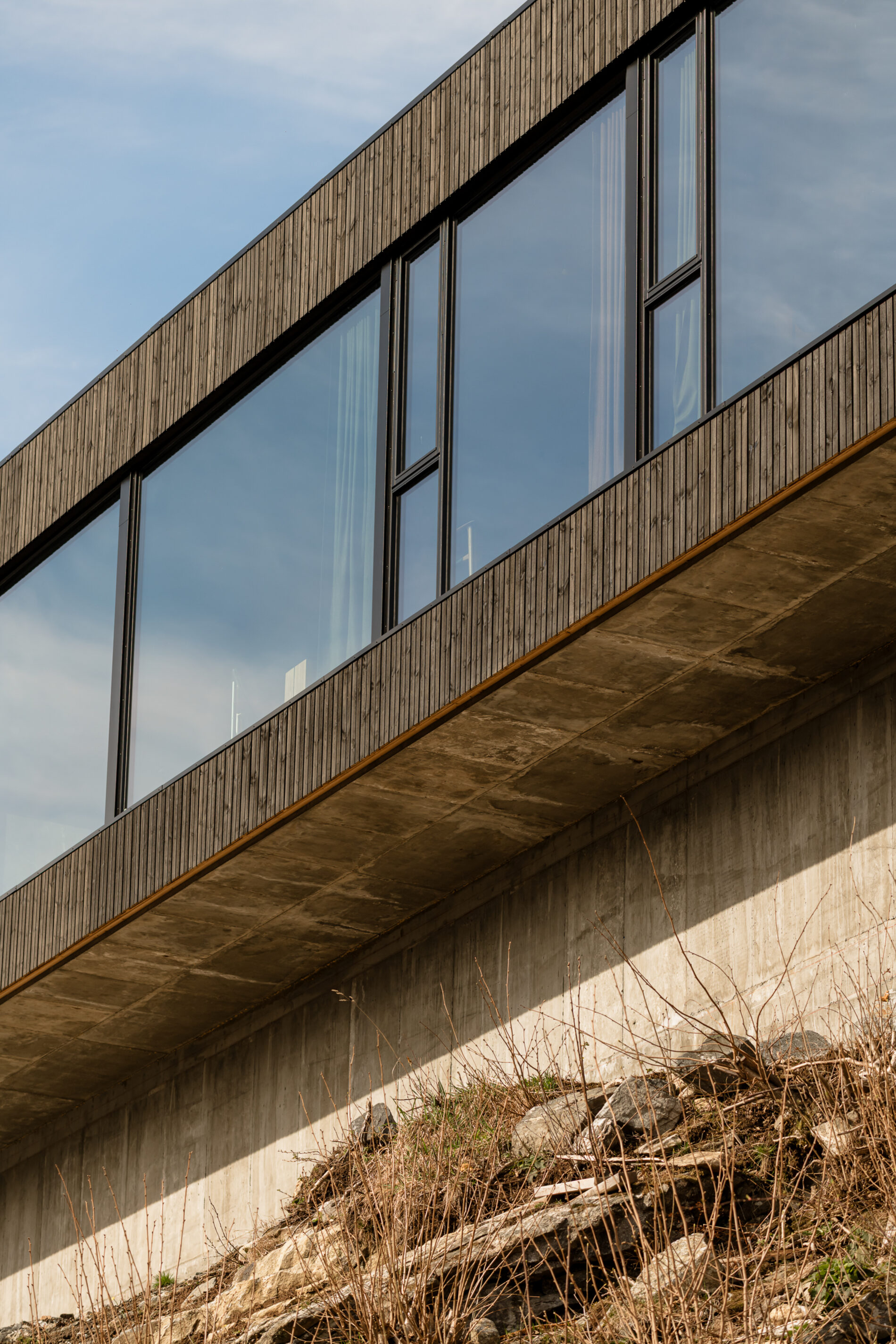
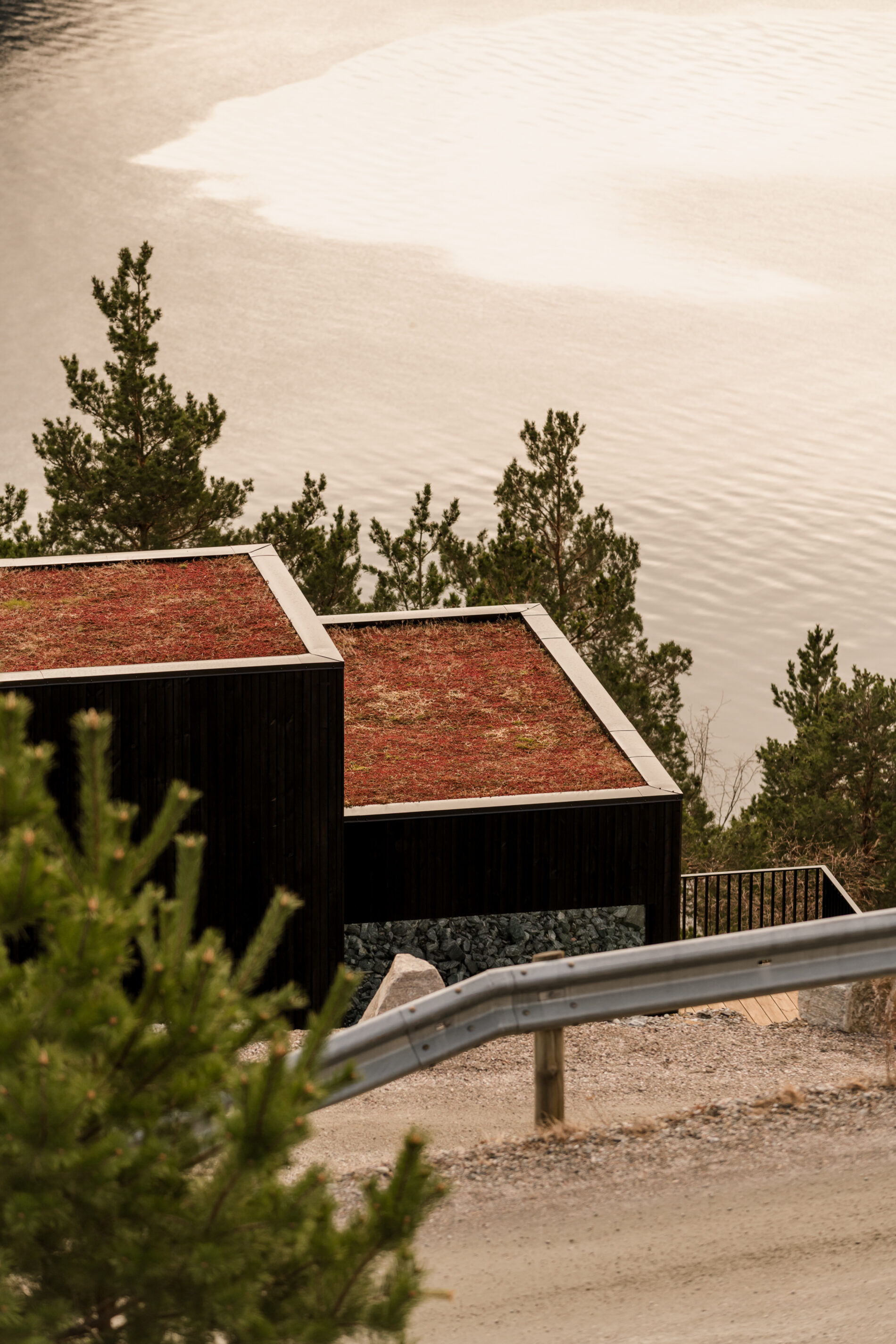
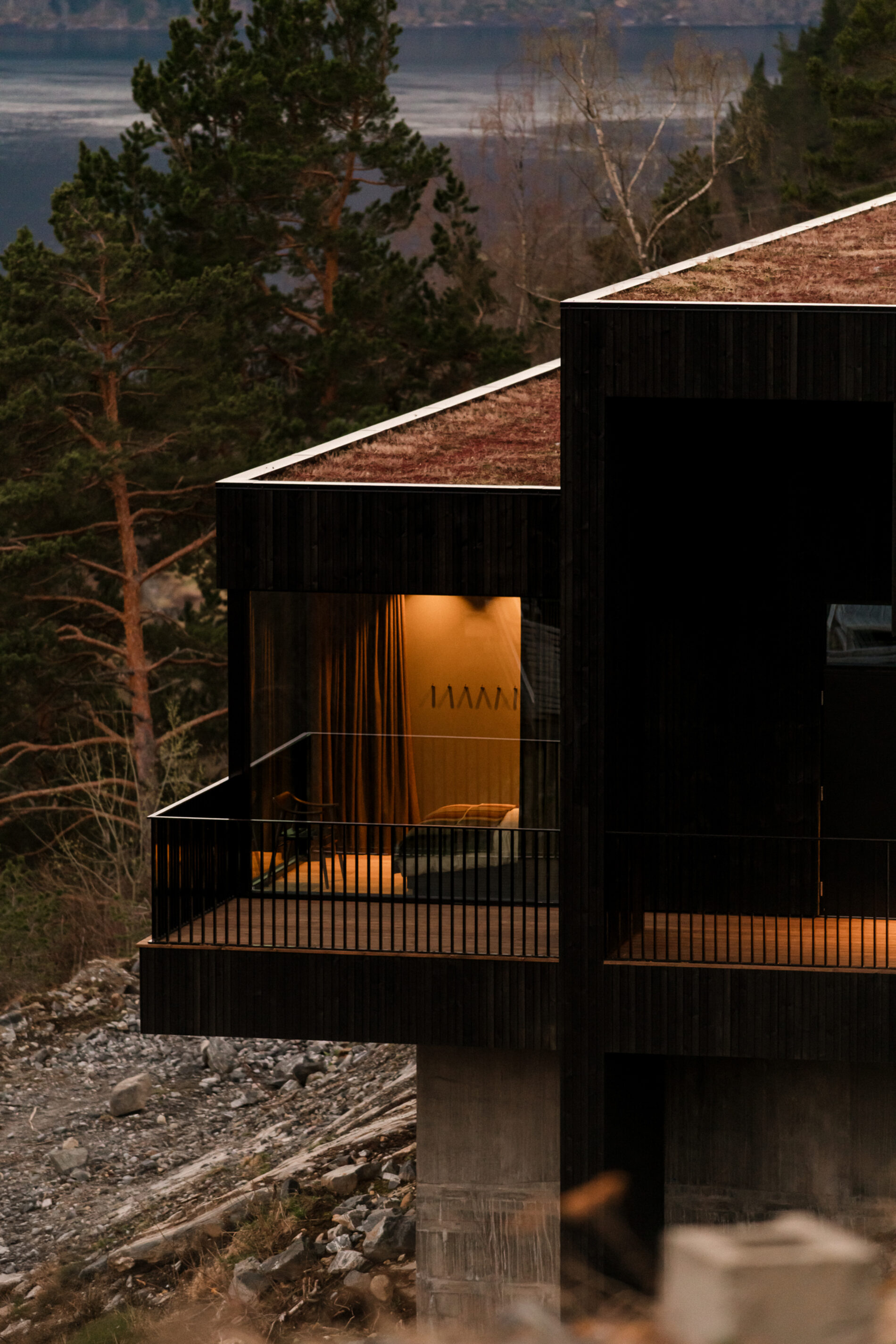
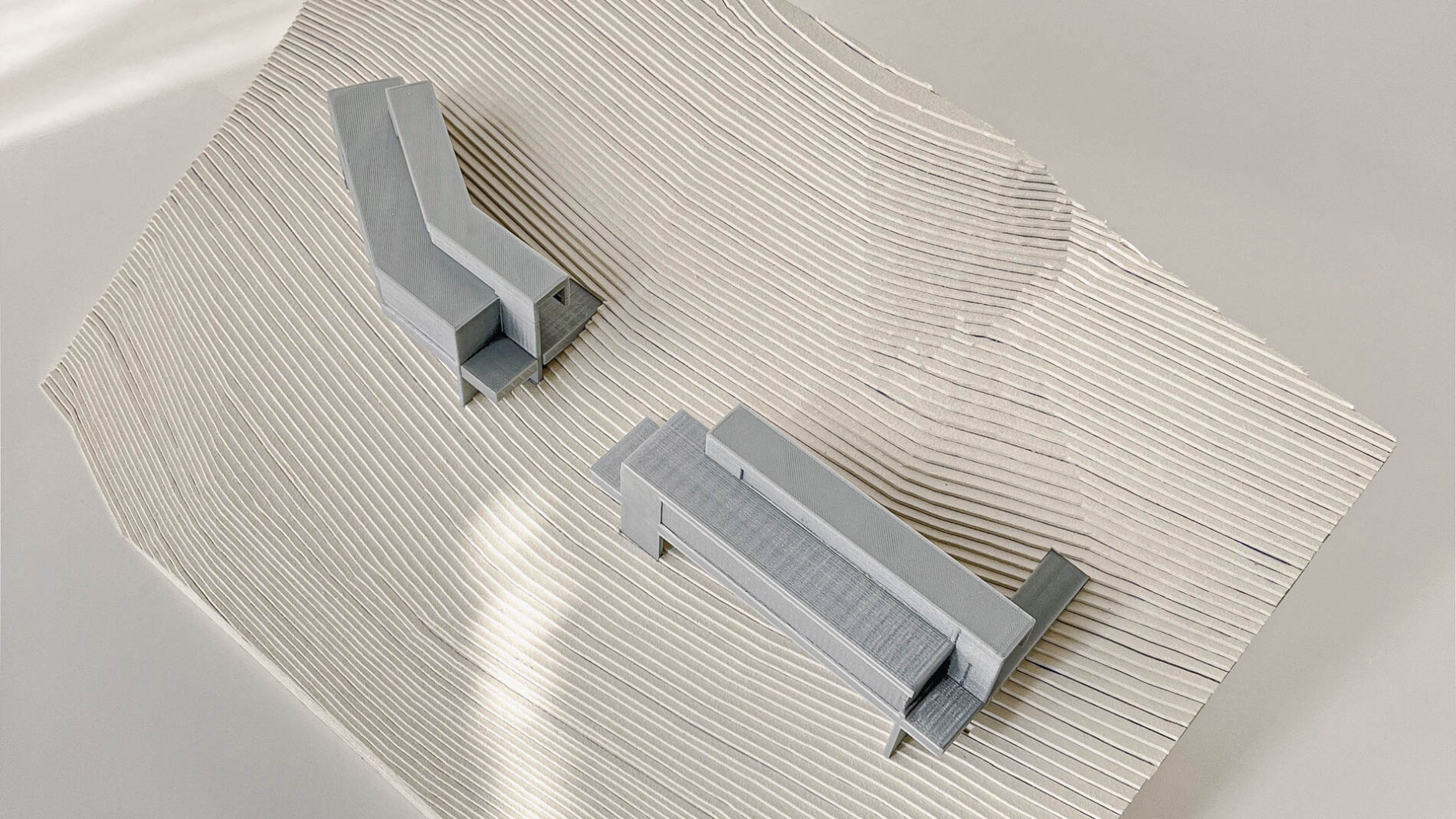
Built without leveling the terrain, the home consists of two offset volumes that gently follow the hillside, creating a flowing interior experience and natural variations in height. The architecture responds to its context through a minimalist form, local timber cladding, and a restrained material palette that enhances rather than competes with its surroundings.
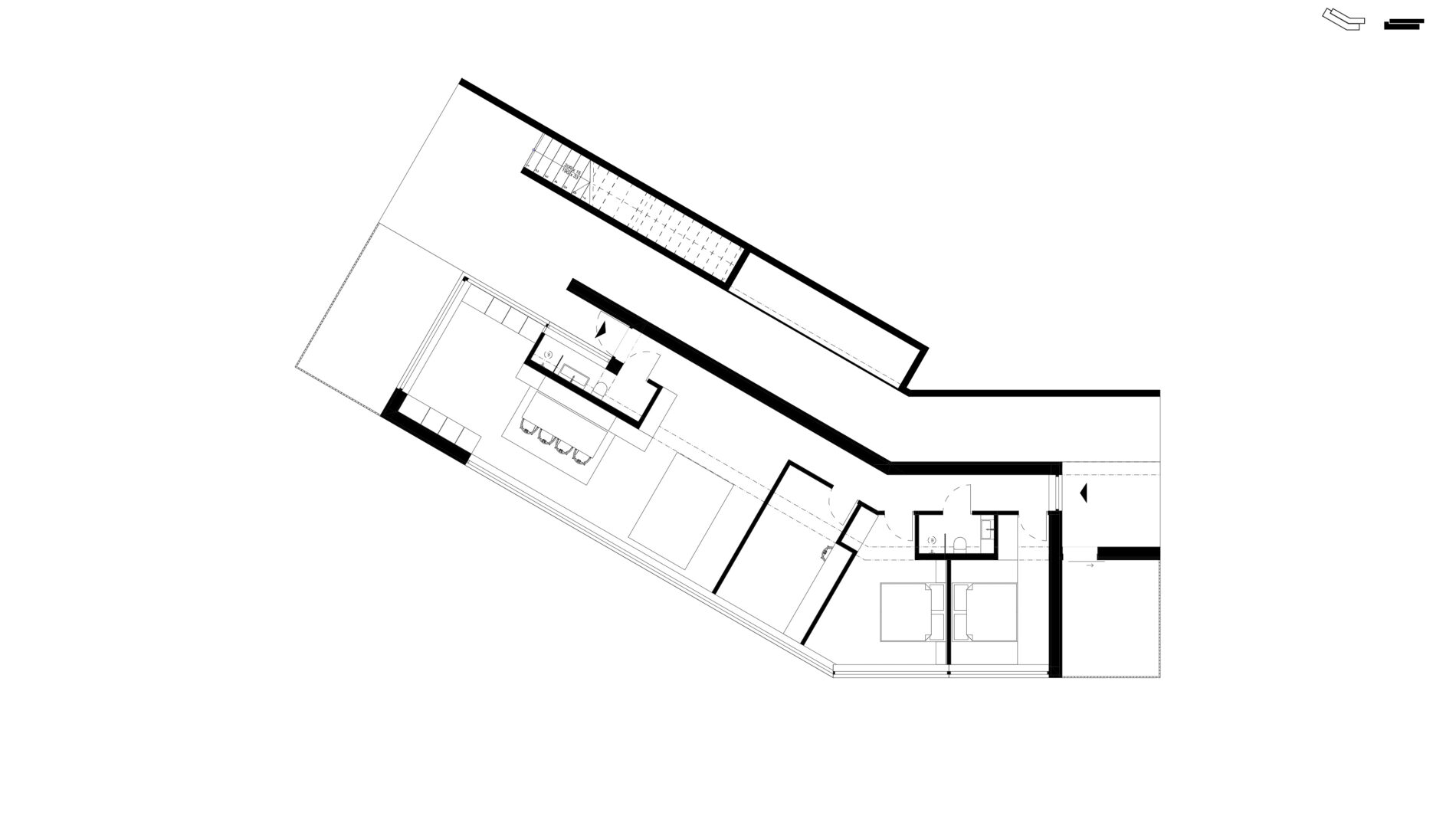
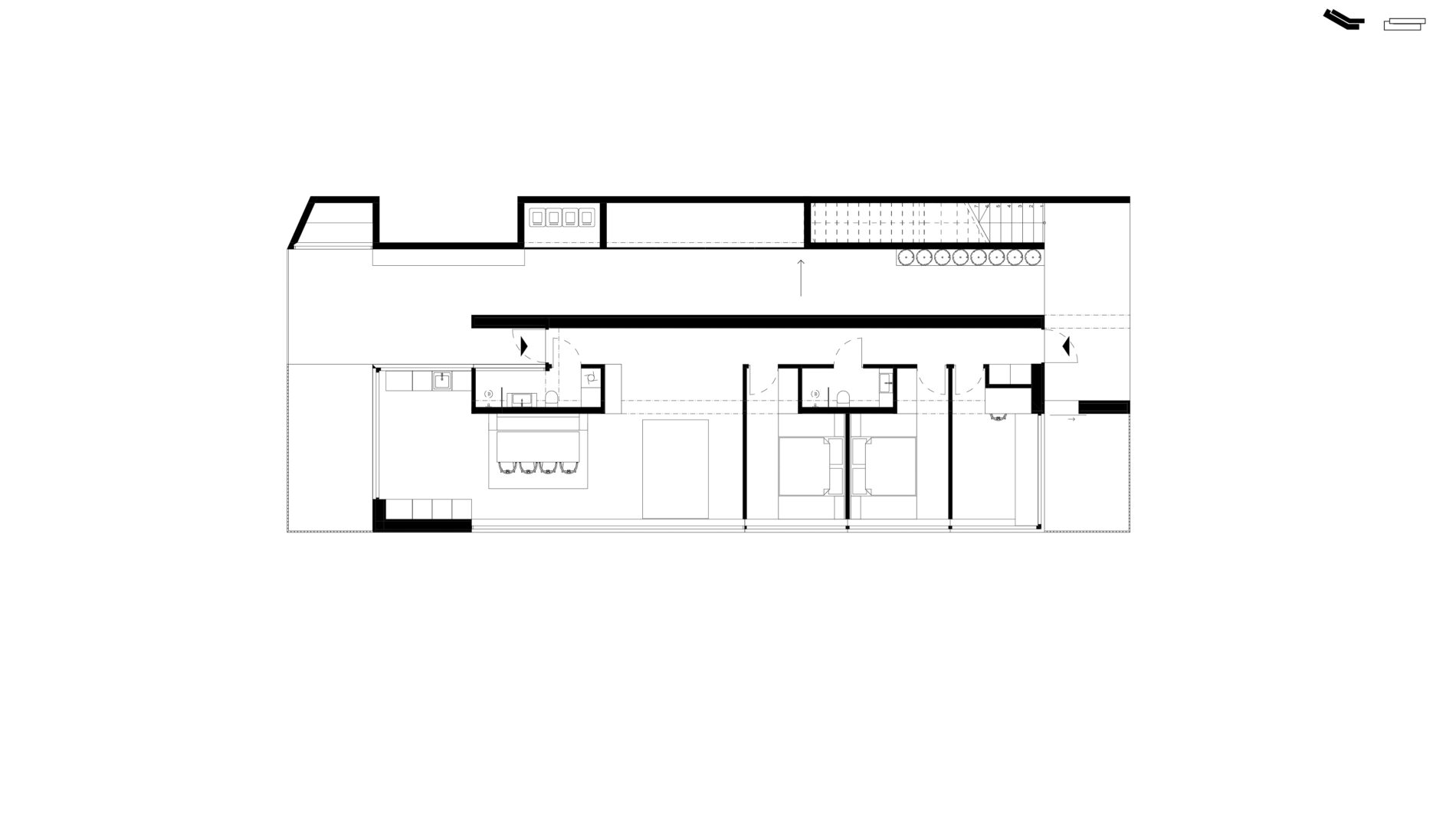
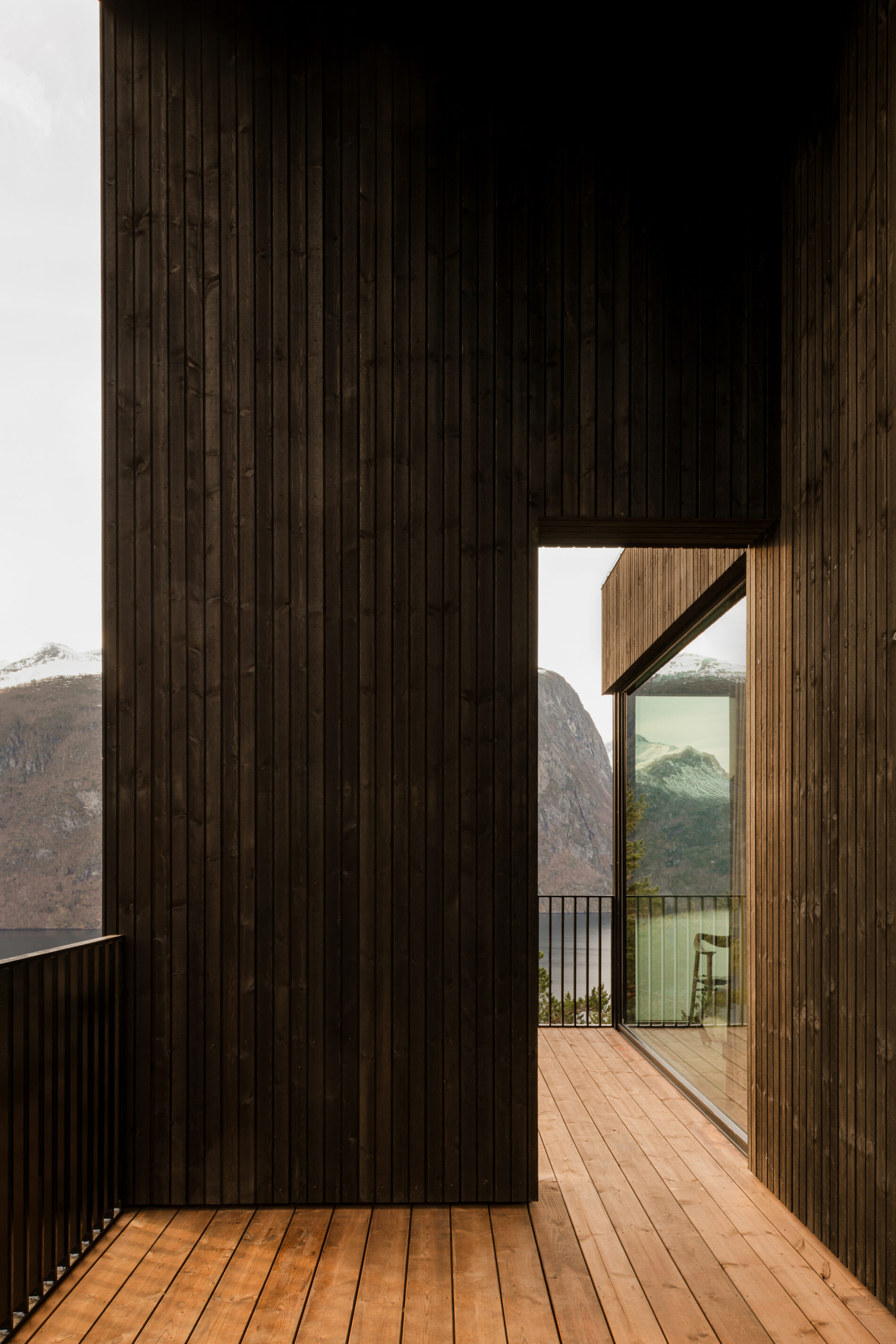
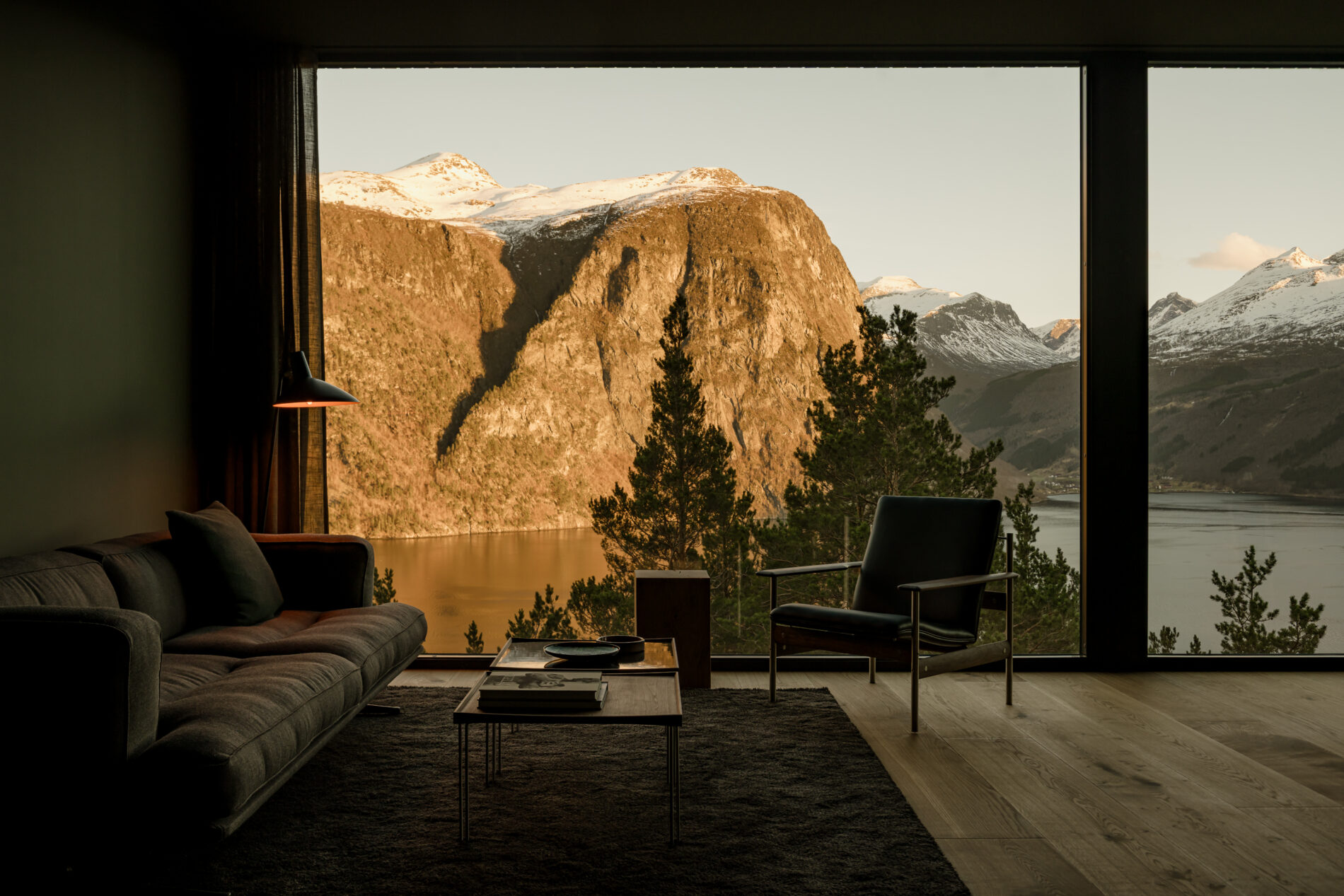
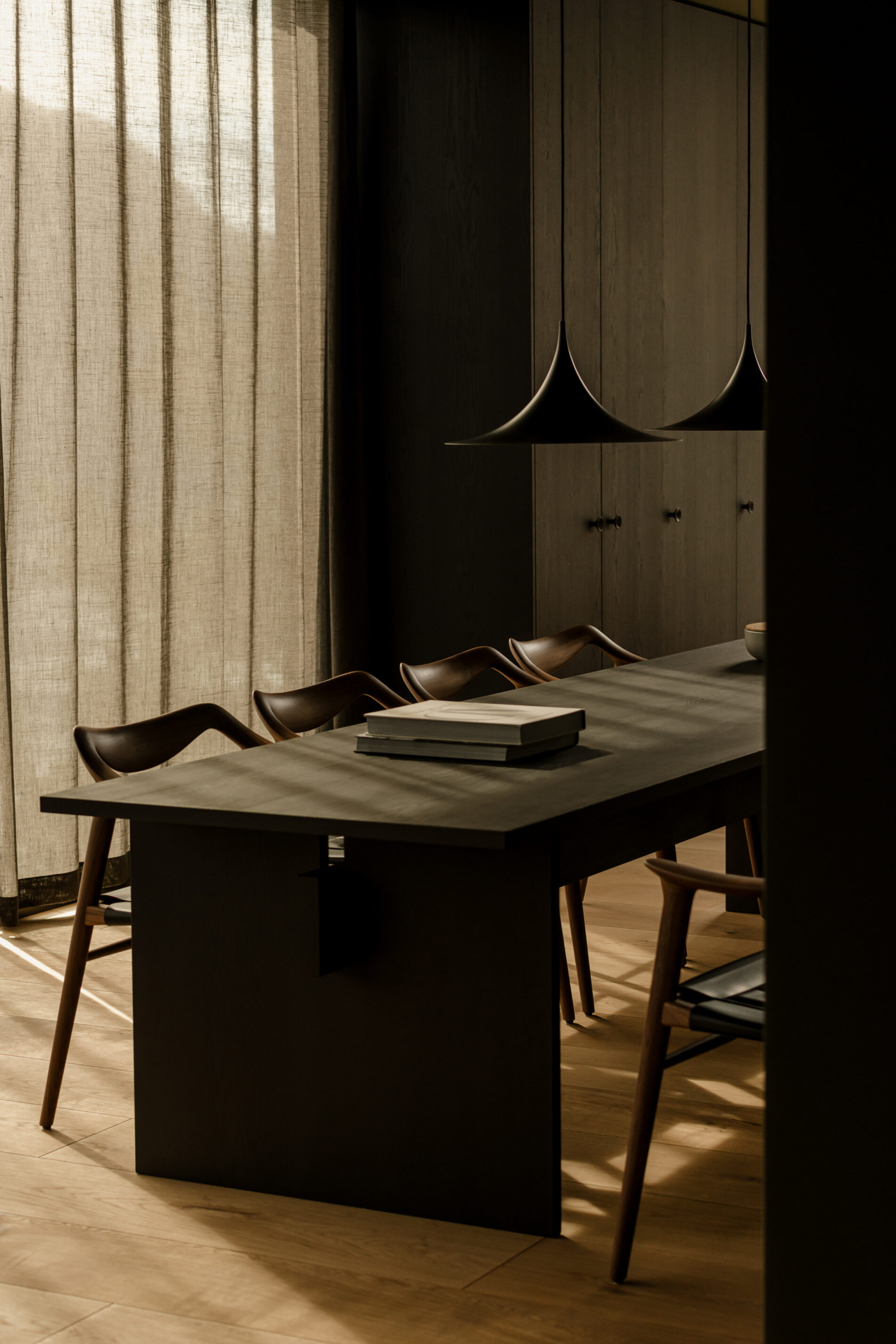
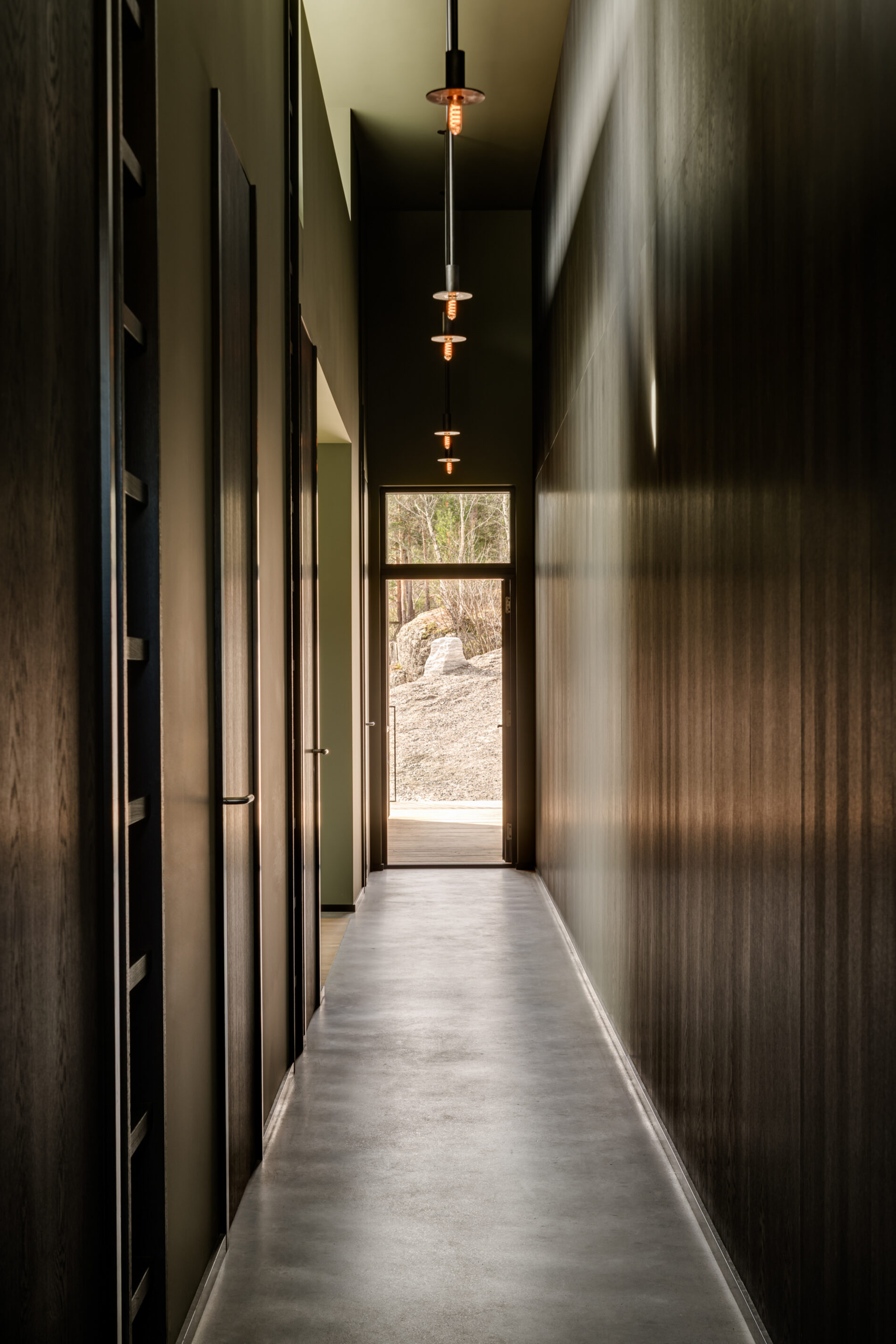
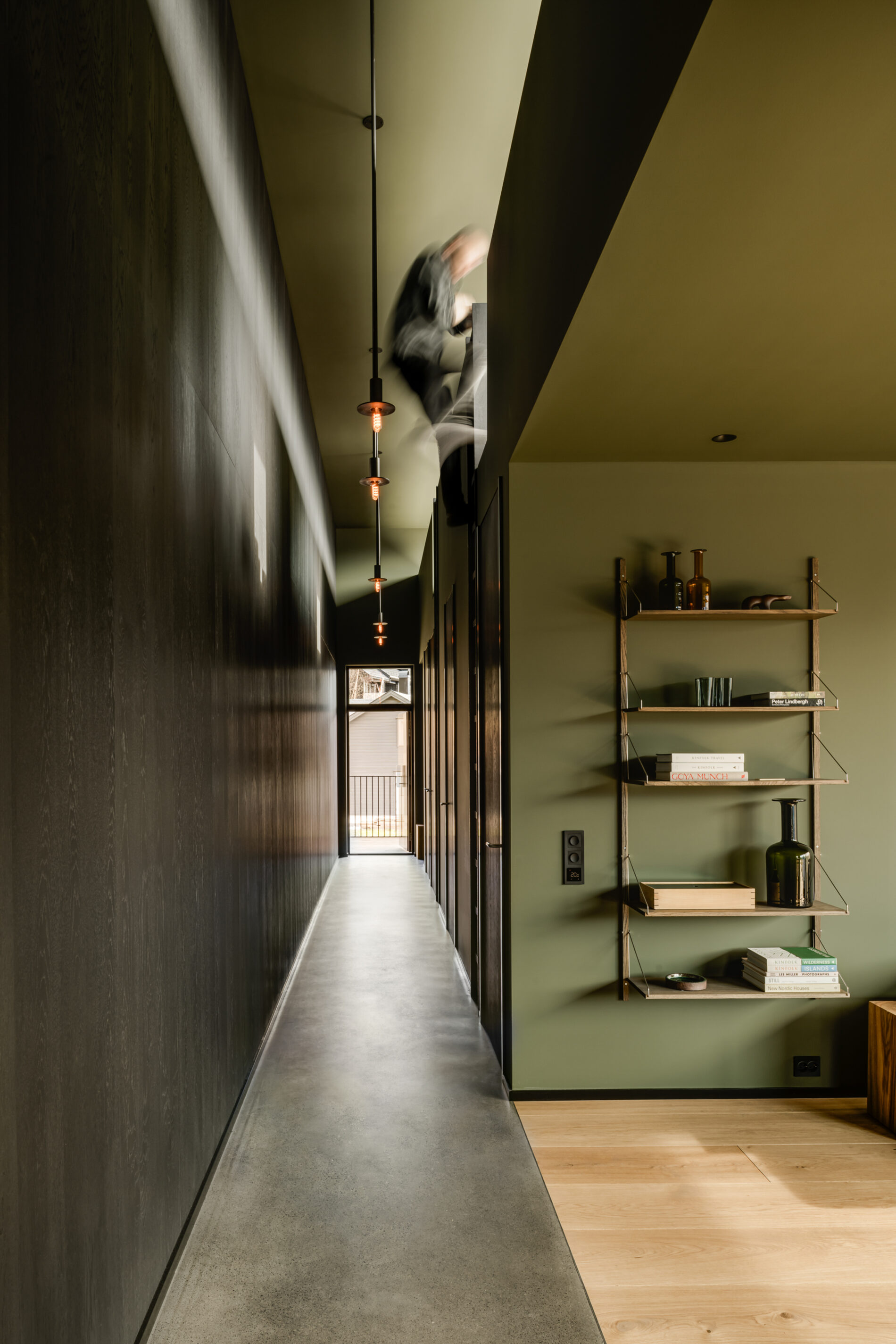
Inside, a long corridor guides visitors through a sequence of spaces that frame shifting views of trees, rock, and fjord. Natural light filters through wooden walls, echoing the soft hues of the coastline. Every detail—from the structure to the siting—emerged from close collaboration with the client and a deep commitment to building with the land, not on it.
Blending into the Landscape
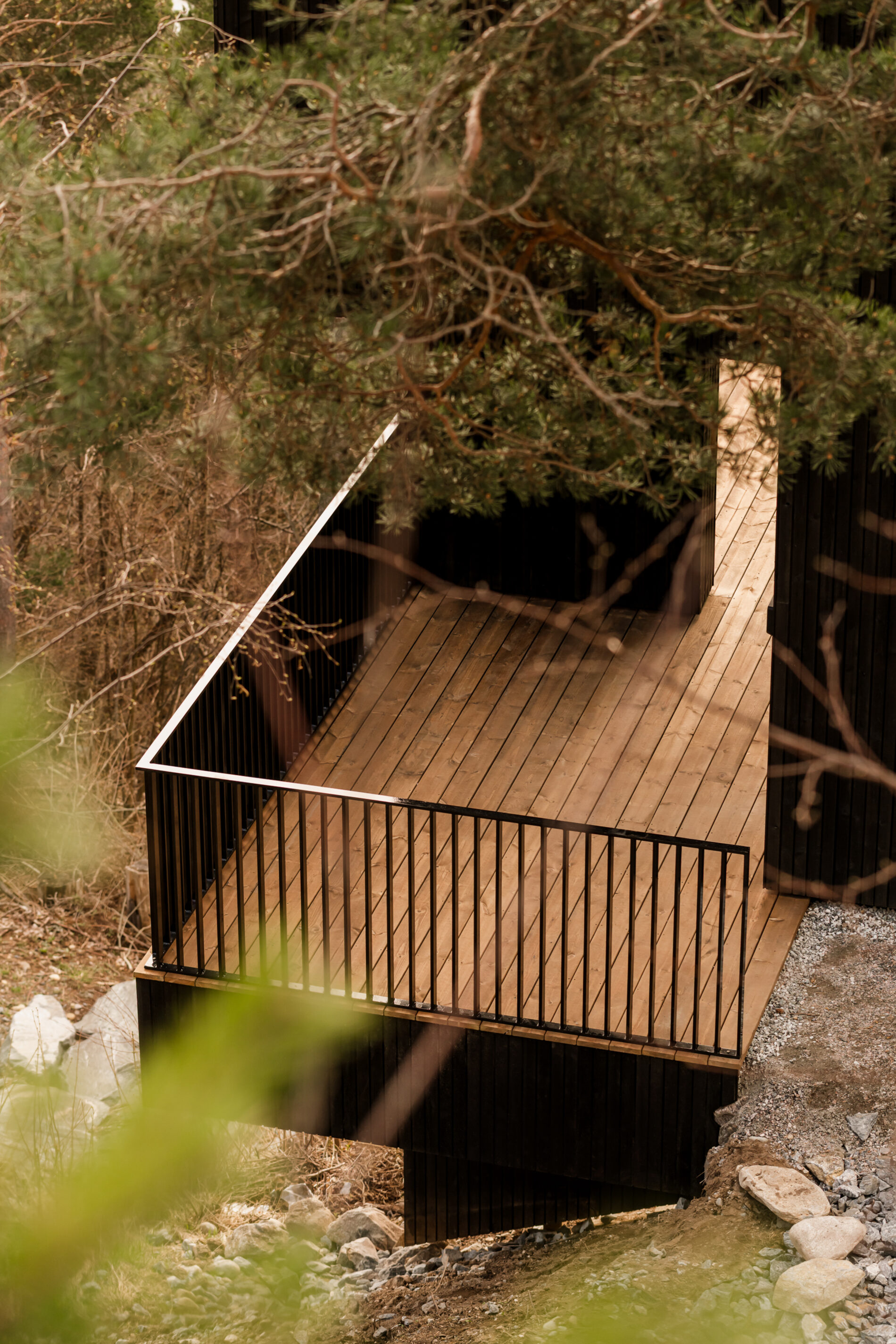
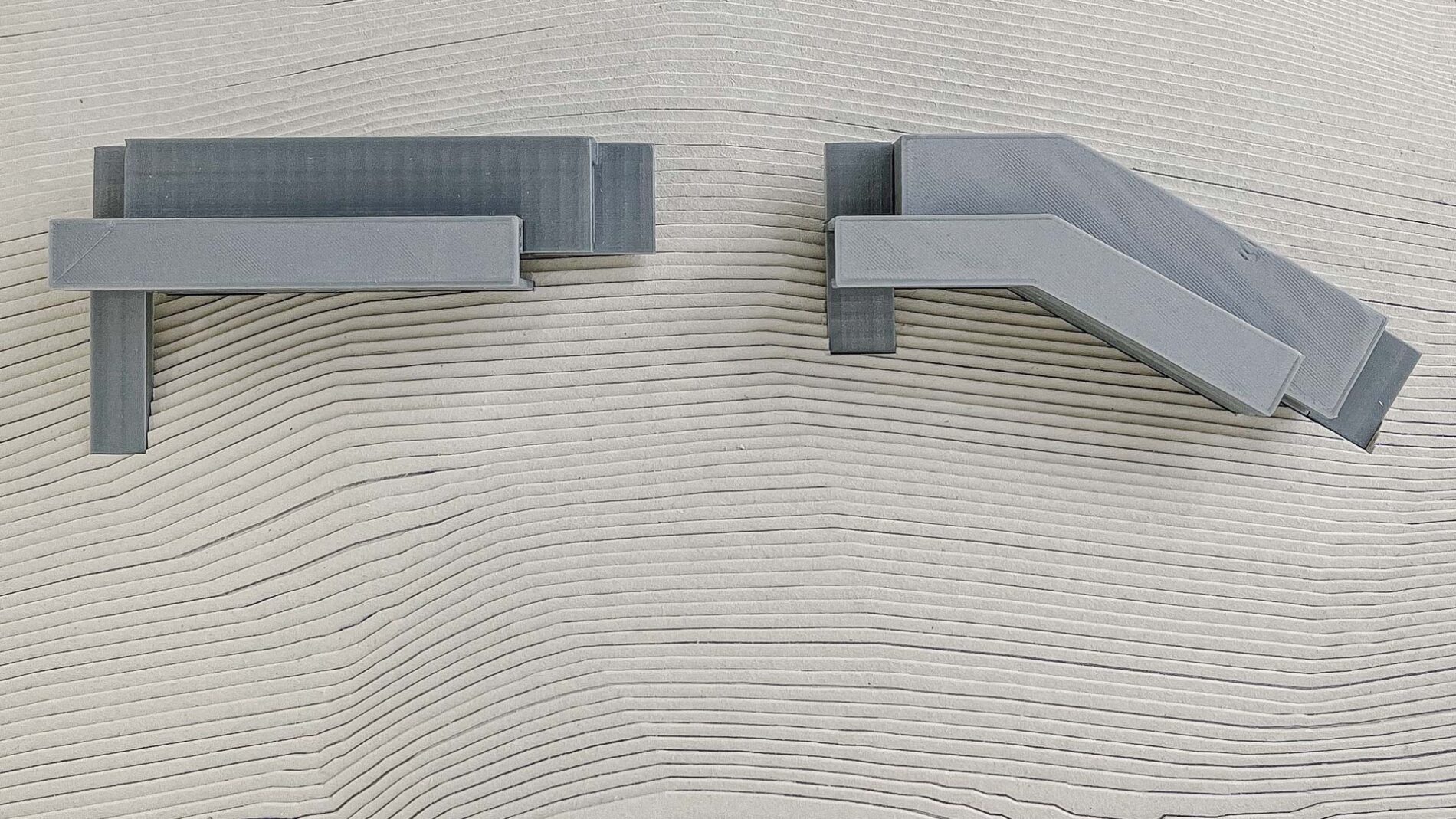
The cabins are designed to integrate gently into the natural terrain, following the contours of the hillside. Their horizontal layout reduces the visual impact, blending into the forested surroundings while opening up to the fjord. The minimal footprint respects the environment and reduces construction costs, ensuring the cabins remain nearly invisible from the north while fully engaging with the southern panorama.
Functional, Additive Architecture
Inspired by traditional Norwegian architecture, each cabin consists of two overlapping modules of varying heights, breaking up the building mass and reducing roof size. The higher module serves as the circulation space, while the lower module contains the private and living areas. This approach replaces conventional walls with functional form, creating distinct zones for movement, utility, and relaxation.
Harmonizing Tradition with Modern Living
The cabins follow an east-west retaining wall that mirrors the hill’s natural slope, with additional storage and leisure spaces tucked behind. The shallow depth allows maximum southern exposure for light and views, while the central axis blurs the boundary between indoor and outdoor living, creating a seamless connection to nature.